

Content
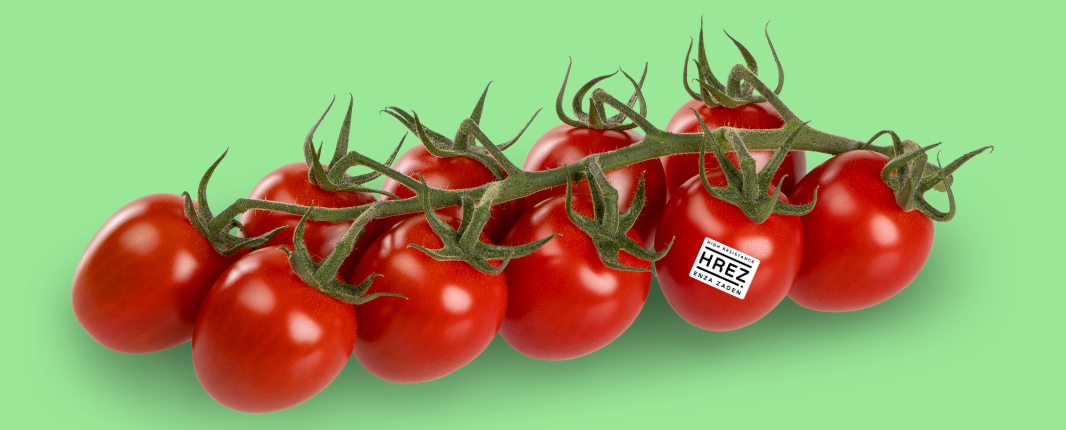
In this series, our Senior Researcher Phytopathology Manus Thoen takes on the myths that spread just as fast as the virus itself. Together with experts from our breeding, diagnostics, pathology, and molecular biology departments, he unpacks common misconceptions about HREZ, Enza Zaden’s High Resistance to ToBRFV.
If you do not see a video above, please accept our cookies. You can change your consent via the icon in the left bottom corner of this page
In this episode, Manus addresses a recurring concern in the industry: the idea that ToBRFV will quickly mutate into a form that can bypass HREZ.
Global portfolio manager Mike reflects on the questions he hears from growers and partners, including fears about breaking strains and how long resistance will last.
Manus then shifts to the biology behind these concerns, explaining how viral mutations arise and why most of them either do nothing or make the virus less competitive. Expert researcher Sergio adds practical context from pathology, describing how mutations appear frequently but rarely lead to serious issues, and how hygiene and pressure determine whether a rare problematic variant can gain ground.
The episode closes with a historical perspective on Tm22, which has been used for more than four decades. Early in its deployment, a few mutants appeared that could bypass it, yet they never became widespread and the resistance remained effective for decades. Together, these insights show what mutation really means for durability and why the evidence does not support the idea that HREZ is easily broken.
Strong decisions start with solid information. By combining what we know from breeding, research and agricultural practice, this series cuts through the noise and highlights what truly matters for managing ToBRFV in modern tomato production.