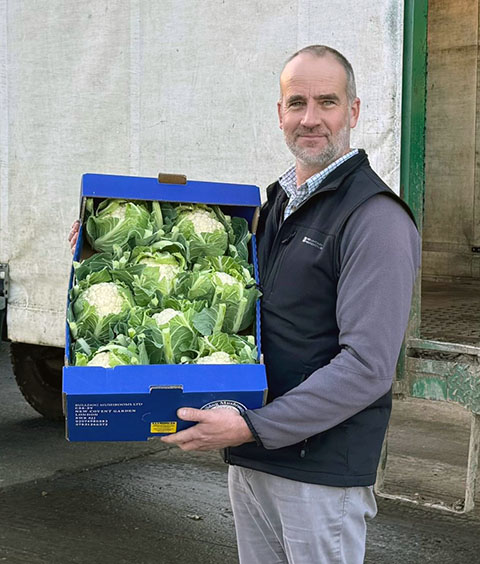
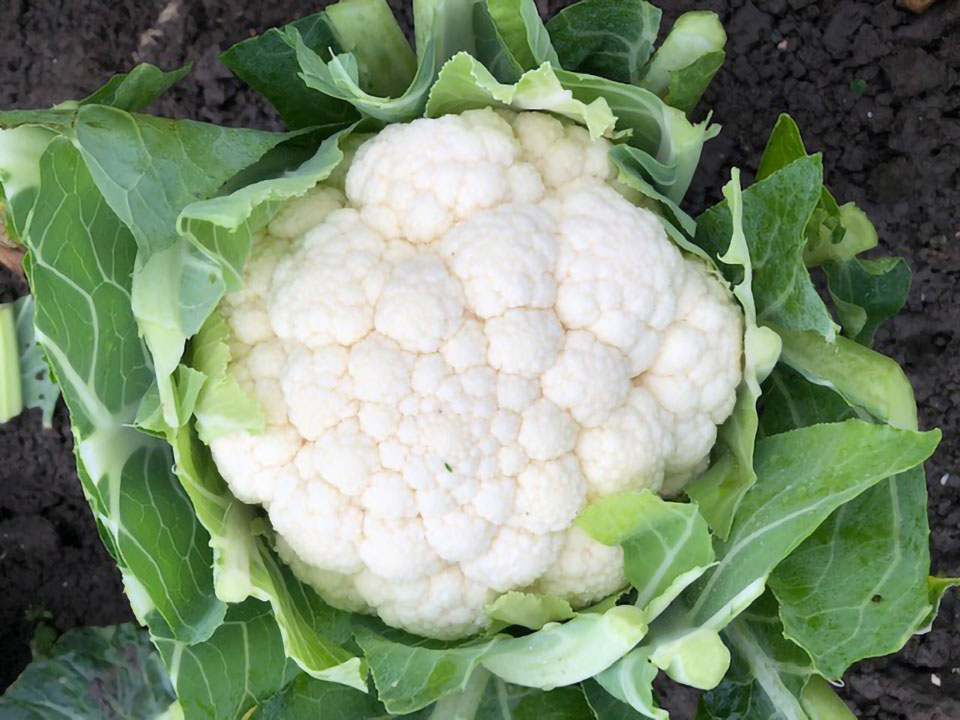
In the UK’s evolving vegetable landscape, cauliflower remains a crop that demands precision, adaptability, and close collaboration with breeders. To explore how different growers navigate today’s challenges, we spoke with Jamie Woods of BR Woods in South Lincolnshire and Andrew Matson of TH Clements, one of the country’s largest cauliflower producers. Despite their very different production scales, both rely heavily on robust cauliflower genetics, including Twistique and Oceanique from Enza Zaden, and share a common goal: delivering consistent, high quality cauliflower in an increasingly unpredictable climate.
A family run operation and a large scale producer
At BR Woods, cauliflower production is rooted in family tradition. “My father began growing cauliflower in the 1980s,” says Jamie Woods. “I joined in 1996, and now my son Tom helps whenever he’s home from his studies.”
Today, the farm manages around 70 acres and harvests 12 months a year by strategically using multiple varieties.
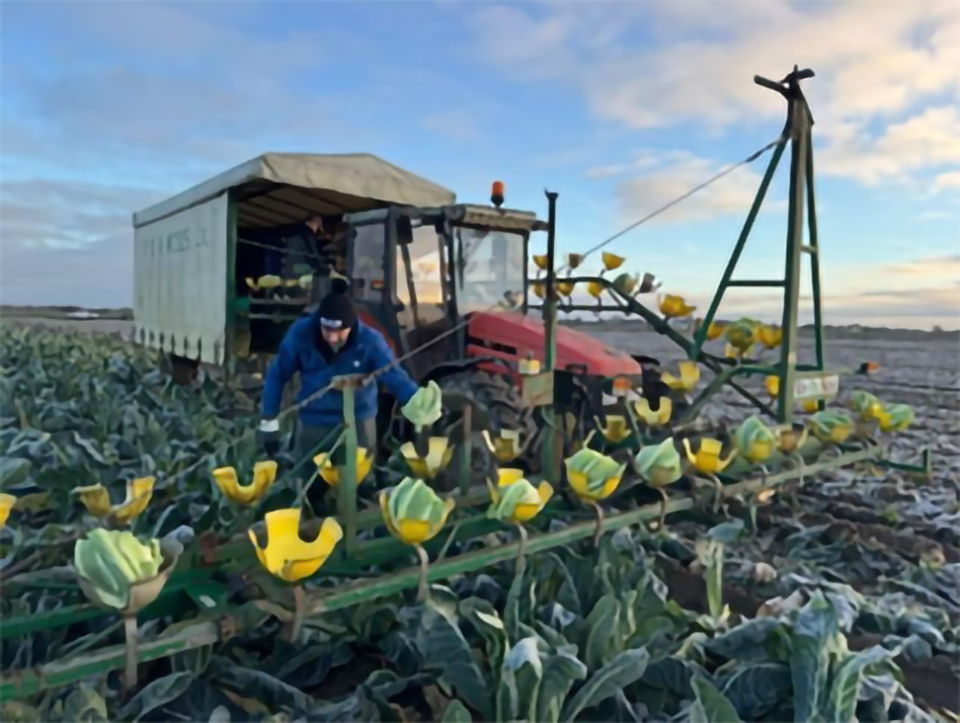
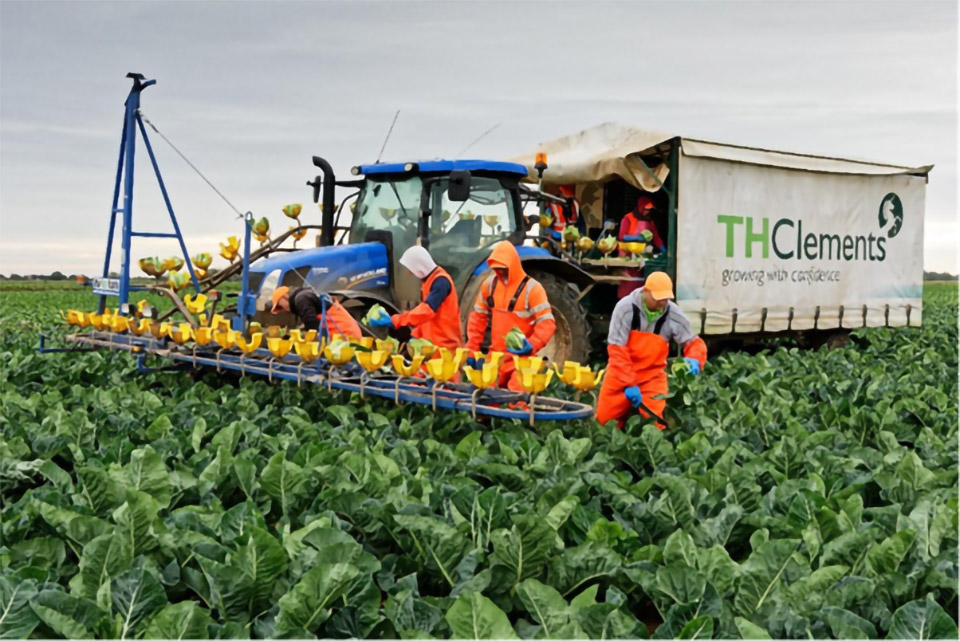
In contrast, TH Clements operates on a national scale. “We grow about 3,000 acres in Lincolnshire and another 750 acres in Cornwall,” explains Andrew Matson, who leads the cropping programme. Lincolnshire covers ten months of supply, while the milder Cornish climate supports winter harvests through December to February. Most of their production goes directly to UK retail, supported by export when volumes allow.
Why Twistique and Oceanique stand out
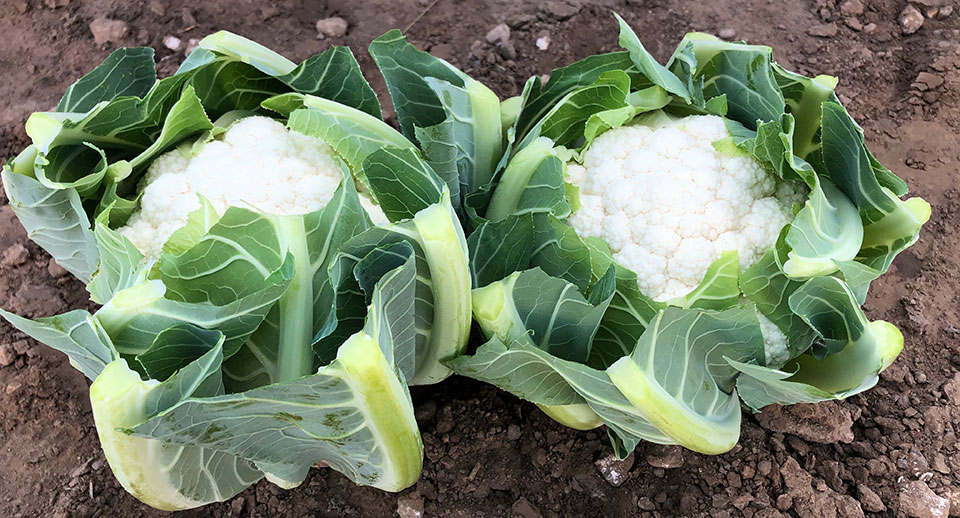
Both growers emphasised the reliability and predictability of Enza Zaden’s Twistique and Oceanique.
Oceanique
BR Woods: “Easy to harvest, very uniform, and perfect for our October window.
TH Clements: “A strong performer in the autumn slot with predictable growing days. Over time, we’ve refined its ideal position in our programme.”
Twistique
BR Woods: “A standout performer—heavy curds, well covered, excellent shape for boxing, and extremely adaptable whether late summer is hot and dry or cold and wet. We now harvest it from September to mid December.”
TH Clements: “Quality heads with good density, important when short term storage is needed to bridge week to week gaps.”
Both growers agree: Twistique’s weather resilience and uniformity make it indispensable.
What growers look for in a variety
Despite their different scales, their priorities align:
Curd quality & density (solid up to 15 cm or more)
Leaf quality and vigour for curd protection
Uniformity to improve harvesting efficiency
Adaptability across extreme weather
Predictable development to match market needs
Ease of harvesting without sacrificing protection
As Jamie puts it, “A variety needs to be more than productive, it needs to be reliable.”
The biggest challenges: continuity & climate
BR Woods:
Declining market demand and prices
Weather stress during planting
Increase in leaf spots and moulds during milder, wetter autumns
TH Clements:
Week to week supply consistency
Predicting harvest windows during extreme weather swings
Managing short term storage requirements
Balancing leaf protection with harvesting efficiency
Andrewexplains: “Hot, dry spells can hit any time from April to September. That makes it risky to choose varieties that only work in narrow conditions.”
Both growers increasingly value varieties that perform across a wide climatic range, strengthening resilience as weather patterns become less predictable.
Collaboration with seed companies: a shared priority
Both growers stressed the importance of close partnerships with breeders:
Field trials help refine placement in crop programmes
Direct feedback ensures new varieties match growers’ needs
Seed availability planning is critical, especially during scale up
Understanding local land differences helps tailor advice
Working together helps us manage expectations and introduce new varieties smoothly,” says Andrew.
Jamie adds, “Seeing new genetics on our own land is invaluable. Every farm is different, and honest feedback pushes innovation.”
Looking ahead
Whether managing 70 acres or 3,700 acres, both BR Woods and TH Clements highlight the same principles for success:
Use adaptable, reliable genetics
Spread production across windows or locations
Plan for climate uncertainty
Collaborate deeply with seed companies
Their shared experiences reflect a broader shift in UK cauliflower production: Resilience, adaptability and innovation are no longer optional, they are essential.
Author: Carl Skelton, Sales Specialist Open Field Company: Enza Zaden UK Contact:c.skelton@enzazaden.co.uk
Descriptions, recommendations and illustrations in brochures and leaflets shall correspond as closely as possible to tests and practical experience and are subject to typographical and/or printing errors. This information shall be provided to assist professional growers and users, whereby variable local conditions must be taken into account. Under no circumstances shall Enza Zaden accept liability based on such information for deviating results in the cultivated product. Current information concerning the resistances is available on www.enzazaden.com.


 Back to overview