Resistance Makes The Difference

Protecting Yield. Securing Quality. Reducing Risk.

Every season brings new challenges. Disease pressure evolves. Weather patterns become less predictable. Regulations continue to limit available crop protection options. Meanwhile, growers are expected to deliver consistent quality and supply. At Enza Zaden, resistance breeding helps growers face these challenges with greater confidence, protecting crops, supporting productivity, and helping build more resilient production systems.

Why resistance matters

Resistance helps producers

• Reduce production risk 
• Protect marketable yield 
• Support more consistent quality 
• Reduce reliance on chemical crop protection 
• Improve production reliability 
• Navigate evolving disease challenges 
• Respond to increasing sustainability expectations

Resistance is not just protection against disease. It is one of the most effective tools available to help secure production for the future.


Built for tomorrow's challenges

Resistance breeding is not only about solving today's disease problems. It is about preparing agriculture for tomorrow. As disease pressure evolves, climate conditions change, and expectations around sustainable production increase, growers need varieties capable of performing under increasingly demanding circumstances. At Enza Zaden, resistance breeding represents a long-term commitment to helping growers remain productive, resilient, and competitive in the years ahead.


Every season starts with a decision

A decision about the varieties growers trust to carry their business through uncertainty. Behind every resistance are years of research, testing, observation, and breeding expertise focused on one goal: helping growers produce with confidence.
Because resistance is more than a trait. It is the confidence to keep moving forward when challenges increase. That is why resistance makes the difference.

Nasonovia resistance: confidence when aphid pressure increases

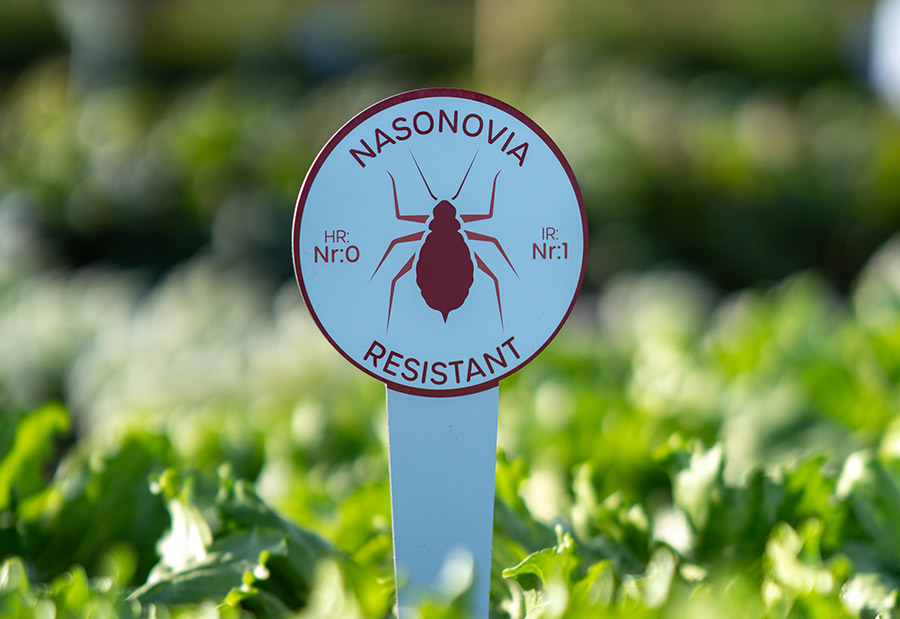
Increasing aphid pressure can threaten crop quality and marketability. By combining strong agronomic performance with Nasonovia (Nr:0,1) resistance, growers can reduce risk, protect quality, and maintain confidence throughout the season.

Discover more about Nasonovia resistance

HREZ: High Resistance by Enza Zaden

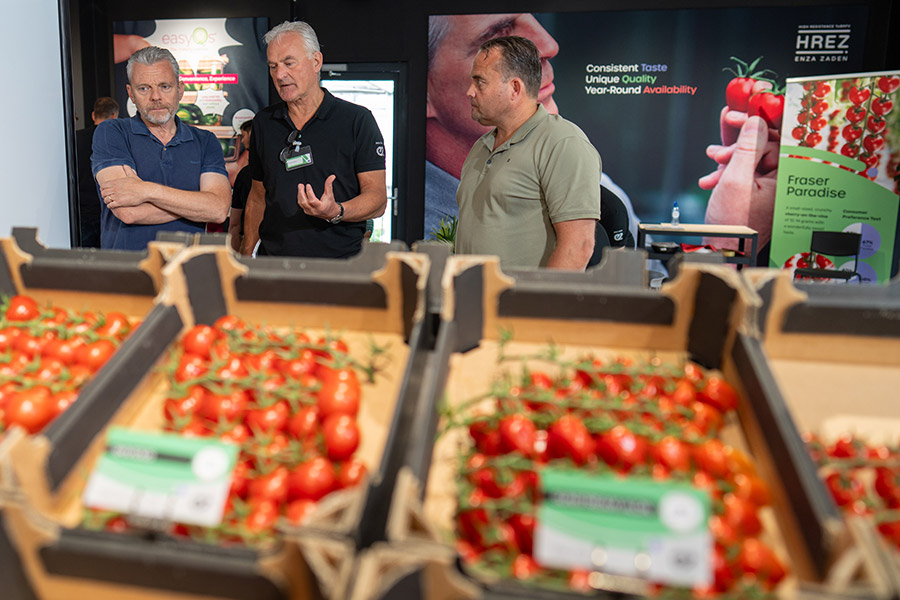
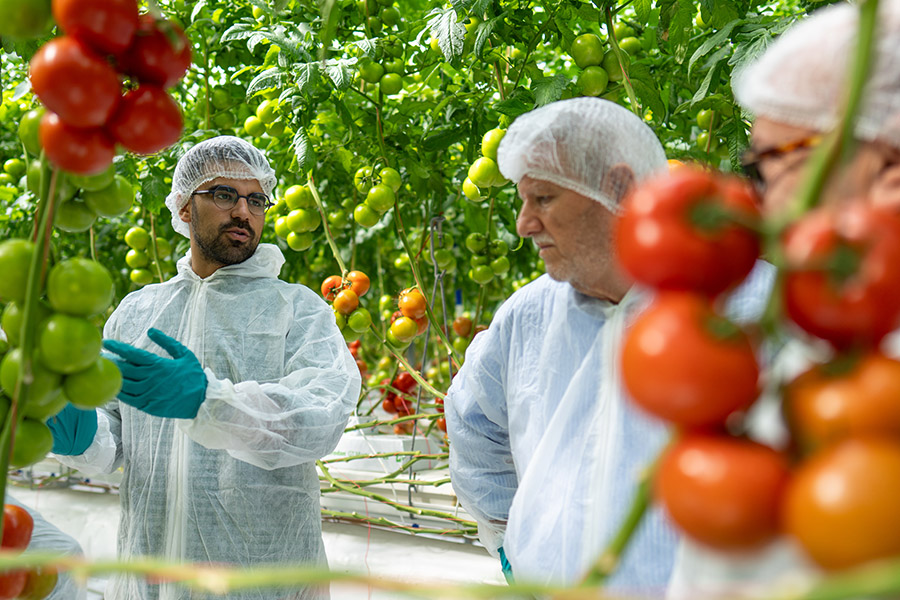
We have developed tomato varieties with High Resistance against Tomato Brown Rugose Fruit Virus (ToBRFV) – Strong and uncompromised in quality. Together with the growers cultivating the first High Resistance varieties, we create a brighter future for all.

Discover more about HREZ

Bremia resistance

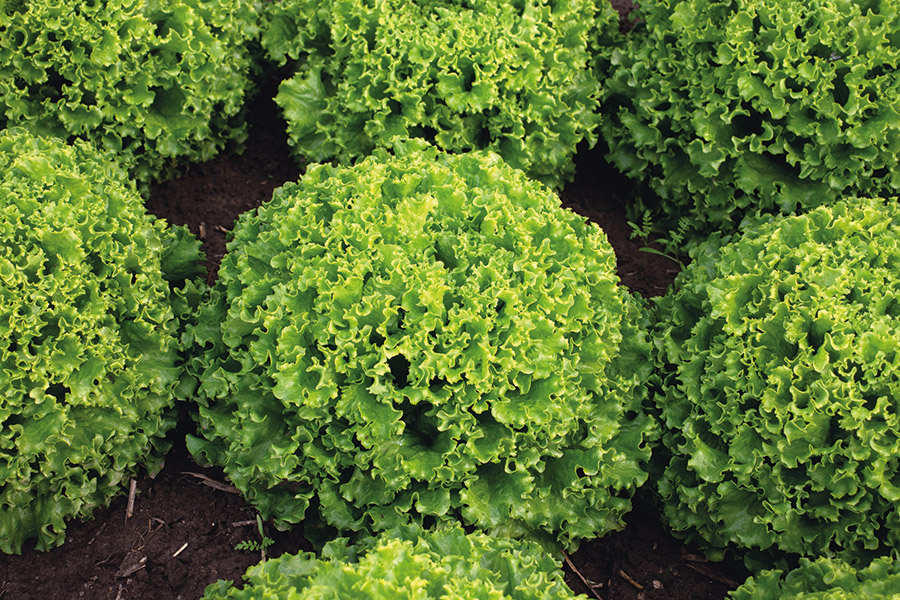
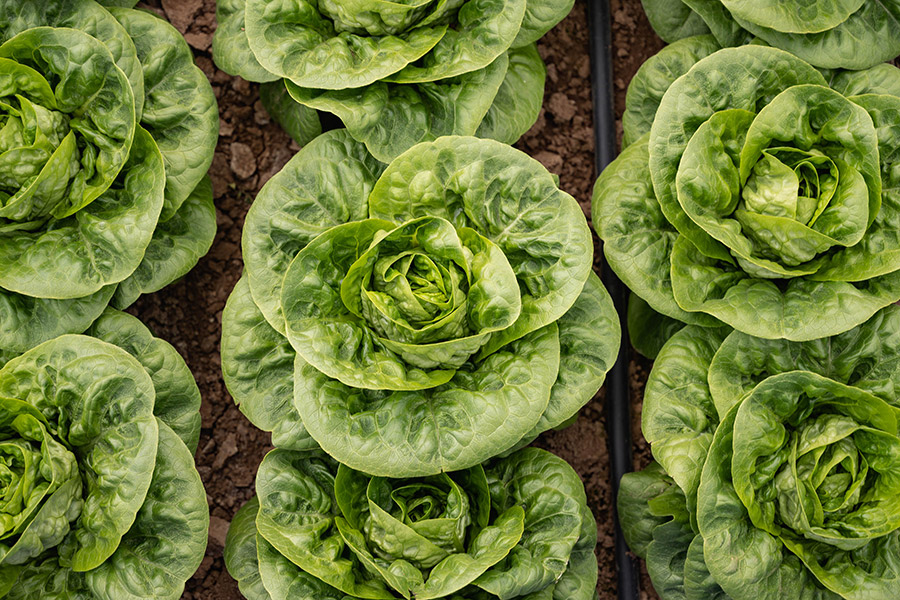
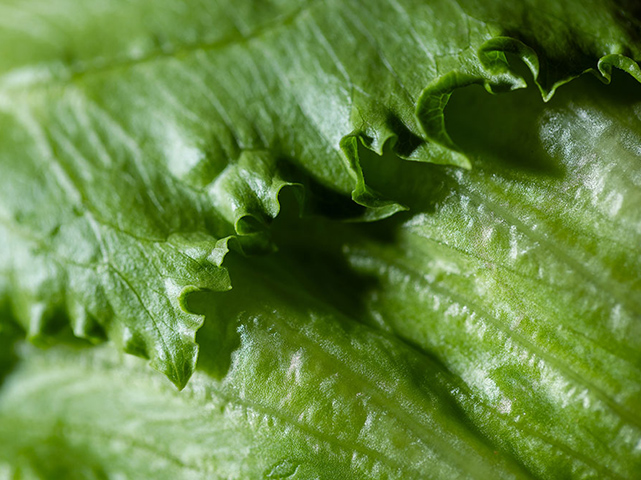
We offer a wide range of high-quality varieties with excellent field performance, outstanding post-harvest characteristics, and resistance to Bremia. Many varieties are also available in 100% organic seeds. Combining traditional preventive treatments with our high-resistance varieties ensures high protection against Bremia, leading to successful lettuce production. Don't let downy mildew hinder your leafy crop production.

Discover more about Bremia resistance

Get rooted, protect your crop with HREZ rootstock!

With HREZ rootstock, you can ensure a healthier, more productive future for your tomato crops. HREZ rootstock (High resistance to ToBRFV) prevents the virus from spreading from the roots to the plant and decreases the overall virus pressure. This extra layer of defense, combined with HREZ varieties and effective phytosanitary measures, leads to fortified tomato plants.

Discover more about HREZ Rootstock

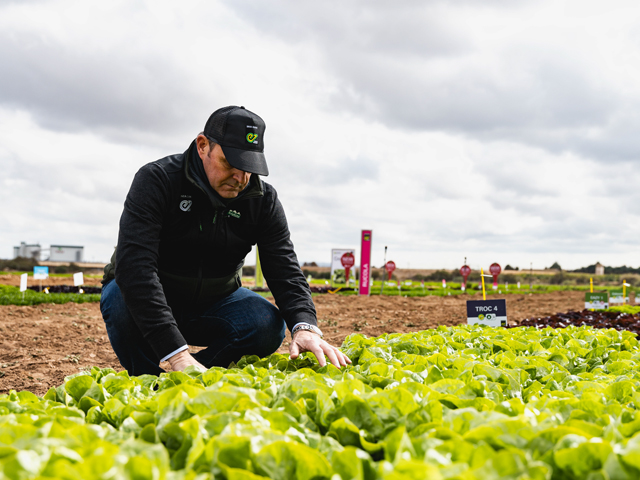
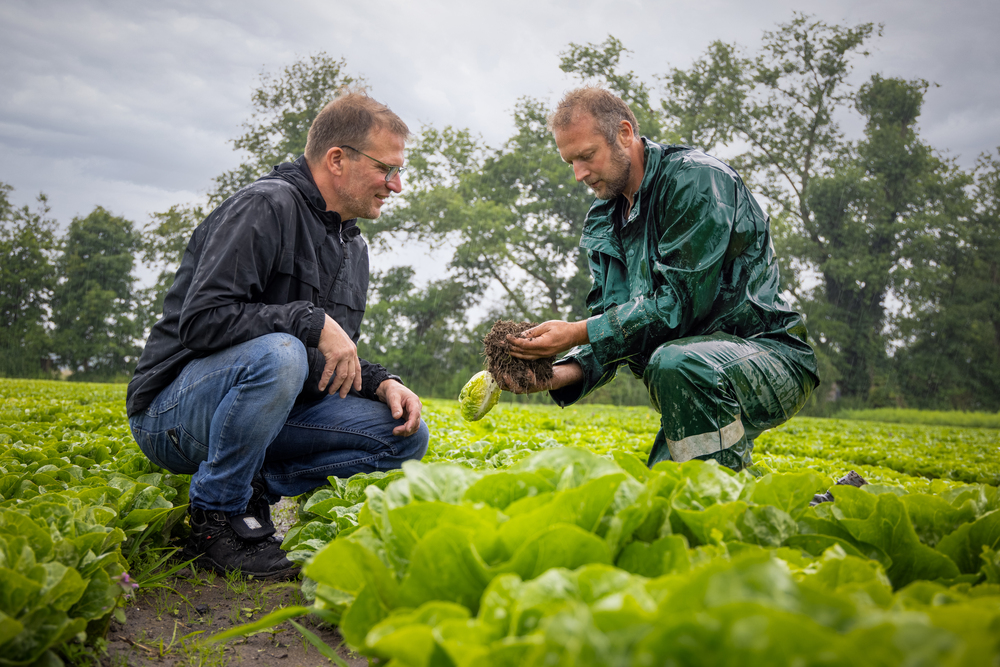
wo men, crouched in a lettuce field. Looking at the lettuce in the hand of the one man and discussion with each other

Fusarium wilt: A growing threat to lettuce cultivation

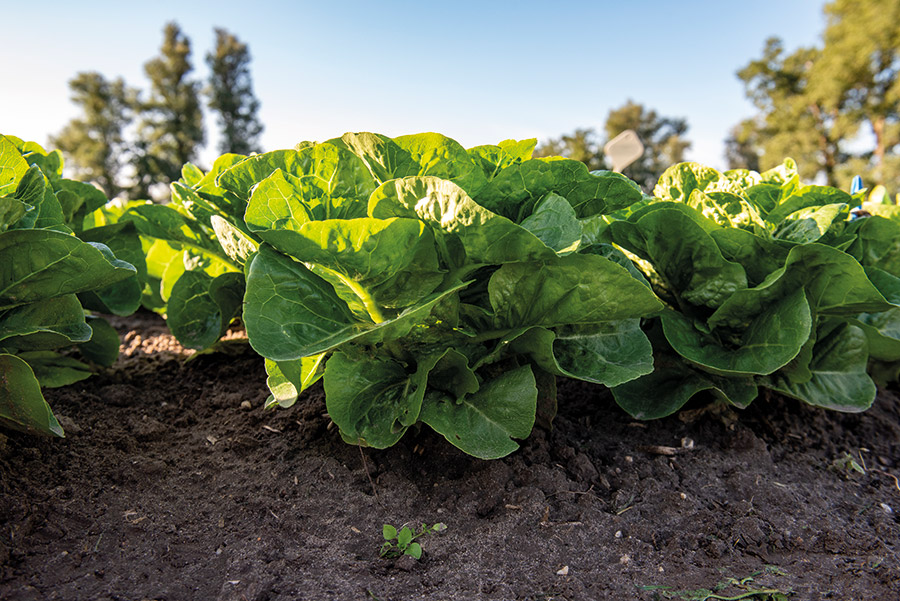
At Enza Zaden, we recognize the significant threat that Fusarium wilt poses to lettuce growers worldwide. Caused by the Fusarium pathogen, this soil-borne disease attacks the plant’s roots, leading to severe economic losses in both open-field and covered cultivation. Fusarium wilt can cause 30-70% yield loss—or up to 100% in extreme cases—posing a significant threat to growers by making affected lettuce unmarketable.

Discover more about Fusarium resistance

Spinach genetics that weather the season

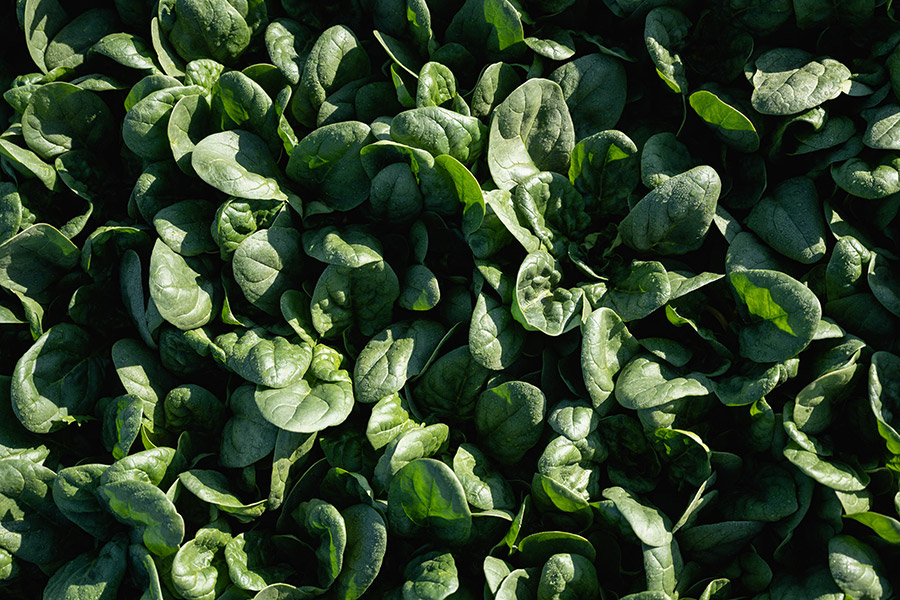
Stemphylium leaf spot (Stemphylium vesicarium) and downy mildew (Peronospora effusa) are among the most damaging threats to spinach, reducing yield and marketable quality. Resistant genetics provide a proactive solution: they minimize disease pressure, reduce reliance on chemical treatments, and ensure stable performance even under challenging conditions. By choosing varieties with proven resistance, growers protect profitability and deliver consistent quality—season after season.

Discover more about our spinach resistances

How to recognize our resistances?

Tomato Brown Rugose Fruit Virus (ToBRFV)  Resistance against Bremia (Bl) Resistance against Fusarium (Fol) High Resistance (HR) against Nasonovia Nr:0 Intermediate Resistance (IR) against Nasonovia Nr:1 (IR).

Resistance against PE (Downey Mildew)  Resistance against Stemphylium Vesicarium  Reistance against ToLCNDV Resistance against CGMMV

It is easy to recognize our varieties with these resistances.

Look for these indicators.