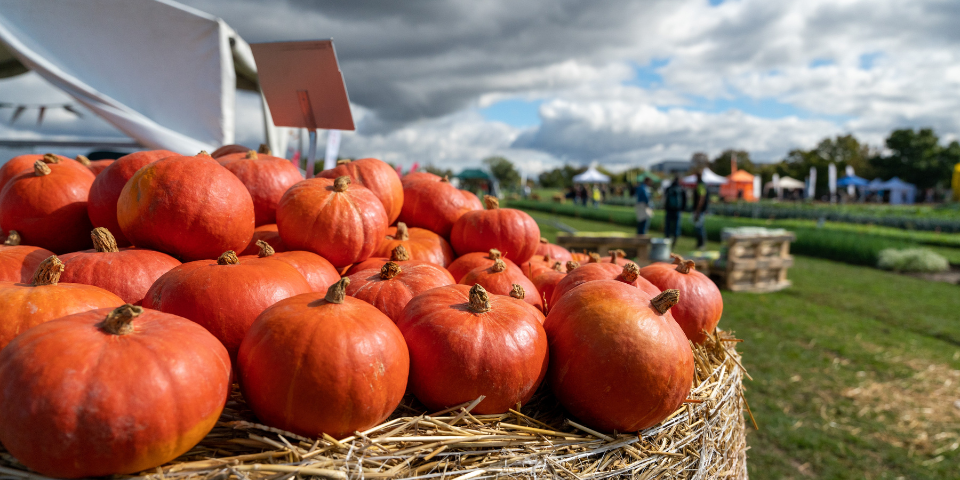
Harvest timing: the first step to long‑lasting Hokkaido pumpkins
When it comes to Hokkaido pumpkins, storage performance is already decided in the field. One of the main challenges growers face, which has impact throughout the food value chain, is maintaining quality over a long storage period, and timing the harvest correctly plays a critical role.
From multiple trials over the years, one thing is clear: harvesting too late can be costly. In fact, harvesting just 10 days too late can result in losing up to one full month of storage potential. That directly affects marketability as well as price opportunities, and ultimately, possible rejections from retailers.
Getting the harvest timing right helps ensure strong storage performance, stable quality, and better control over when and how the crop is sold. In short: harvest timing is key to ensure storability.
Two practical indicators to decide when to harvest
To determine the right harvest moment for Hokkaido pumpkins, growers can rely on two main indicators. The first is simple, visual, and easy to apply in the field.
Peduncle corking: a reliable first signal
At early stages, the peduncle (stem) of a Hokkaido pumpkin is fully green. As the fruit matures, corking gradually develops from the base upward.
A good rule of thumb is this:
When the first fruit on the plant (the one closest to the main stem) shows around 70% corking on the peduncle, the fruit is generally ready to be harvested.
The second fruit on the plant will usually show less corking, which is normal.
For a single harvest moment, aiming for around 70% corking across fruits is the safest and most practical approach.
This indicator offers a clear visual cue and helps prevent harvesting too late, which can compromise storage life.
A second indicator for even more precision
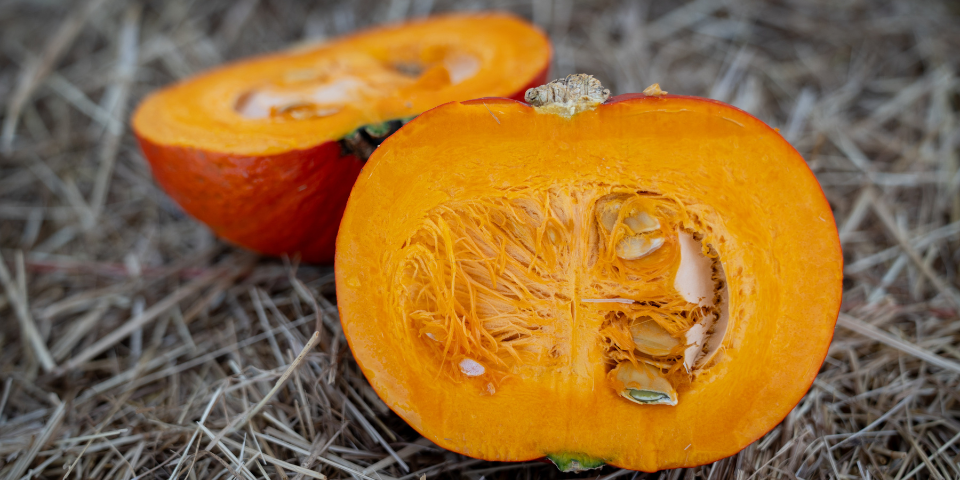
In addition to peduncle corking, there is another indicator that allows for an even more precise harvest decision: checking seed maturity. Combining both indicators helps growers fine‑tune harvest timing and further optimize storage results.
But what if the peduncle doesn’t tell the full story? Stay tuned to discover how seed maturity is the most reliable indicator when harvest timing becomes critical.
If you do not see a video above, please accept our cookies. You can change your consent via the icon in the left bottom corner of this page
👉 Discover more insights, practical guidance, and expertise!
Check our Pumpkin matters dedicated landing page here:
Pumpkin Matters, every step of the way
Share this page
Descriptions, recommendations and illustrations in brochures and leaflets shall correspond as closely as possible to tests and practical experience and are subject to typographical and/or printing errors. This information shall be provided to assist professional growers and users, whereby variable local conditions must be taken into account. Under no circumstances shall Enza Zaden accept liability based on such information for deviating results in the cultivated product. Current information concerning the resistances is available on www.enzazaden.com.


 Back to overview