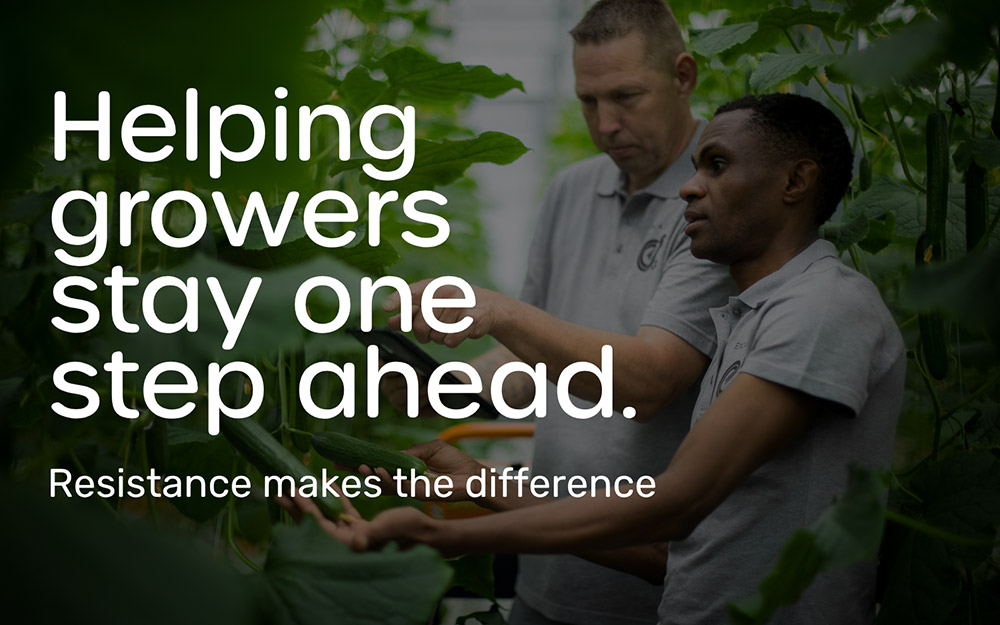
Every season brings new challenges. Disease pressure evolves. Weather patterns become less predictable. Regulations continue to limit available crop protection options. Meanwhile, growers are expected to deliver consistent quality and supply. At Enza Zaden, resistance breeding helps growers face these challenges with greater confidence, protecting crops, supporting productivity, and helping build more resilient production systems.
Why resistance matters
Resistance helps producers
• Reduce production risk • Protect marketable yield • Support more consistent quality • Reduce reliance on chemical crop protection • Improve production reliability • Navigate evolving disease challenges • Respond to increasing sustainability expectations
Resistance is not just protection against disease. It is one of the most effective tools available to help secure production for the future.
Resistance breeding is not only about solving today's disease problems. It is about preparing agriculture for tomorrow. As disease pressure evolves, climate conditions change, and expectations around sustainable production increase, growers need varieties capable of performing under increasingly demanding circumstances. At Enza Zaden, resistance breeding represents a long-term commitment to helping growers remain productive, resilient, and competitive in the years ahead.
Every season starts with a decision
A decision about the varieties growers trust to carry their business through uncertainty. Behind every resistance are years of research, testing, observation, and breeding expertise focused on one goal: helping growers produce with confidence. Because resistance is more than a trait. It is the confidence to keep moving forward when challenges increase. That is why resistance makes the difference.
Nasonovia resistance: confidence when aphid pressure increases
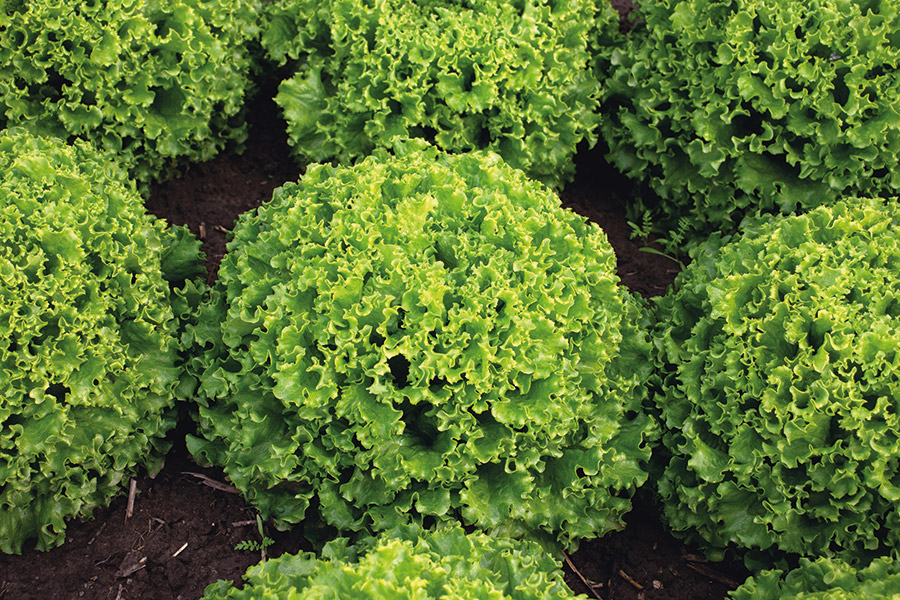
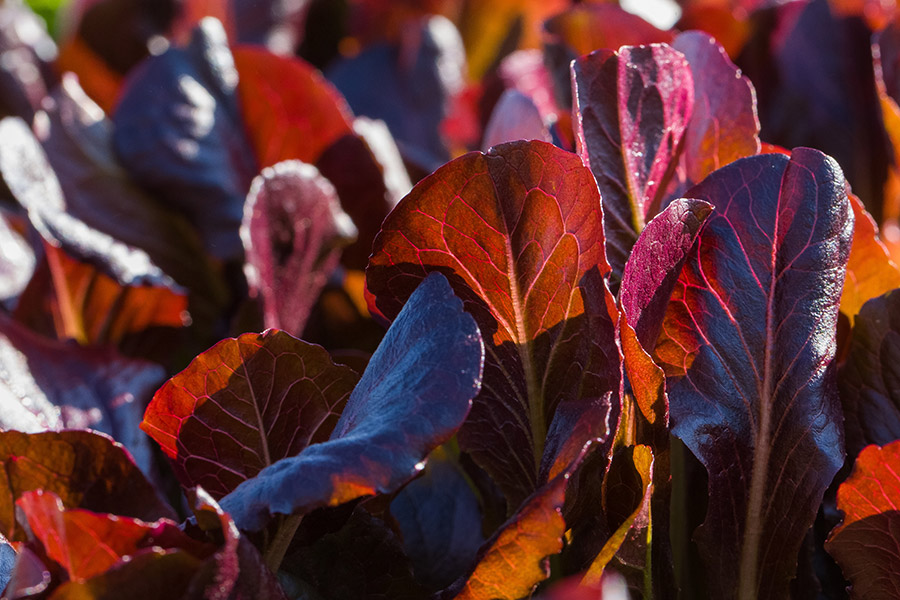
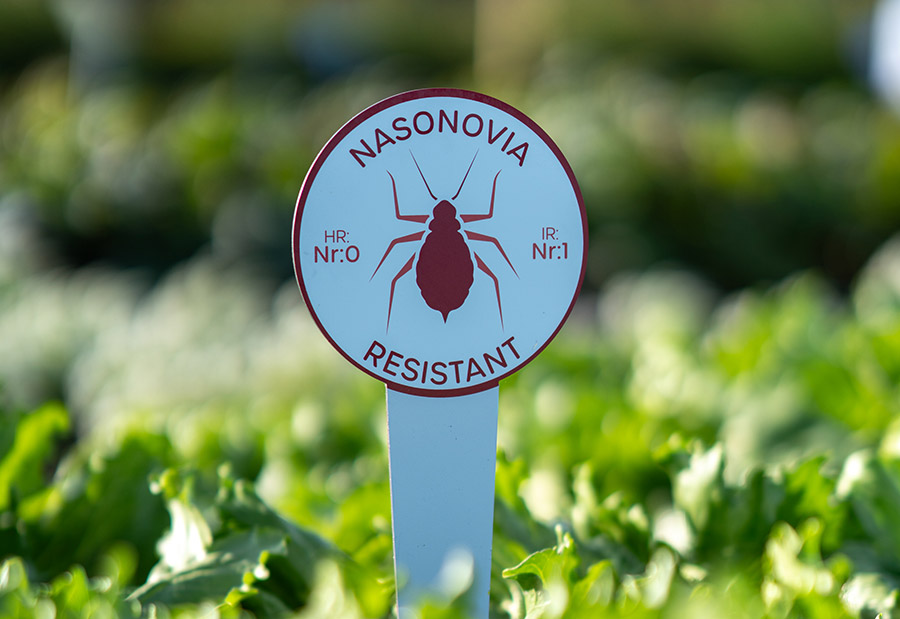
Increasing aphid pressure can threaten crop quality and marketability. By combining strong agronomic performance with Nasonovia (Nr:0,1) resistance, growers can reduce risk, protect quality, and maintain confidence throughout the season.
ToBRFV resistance: protecting your tomato business with HREZ
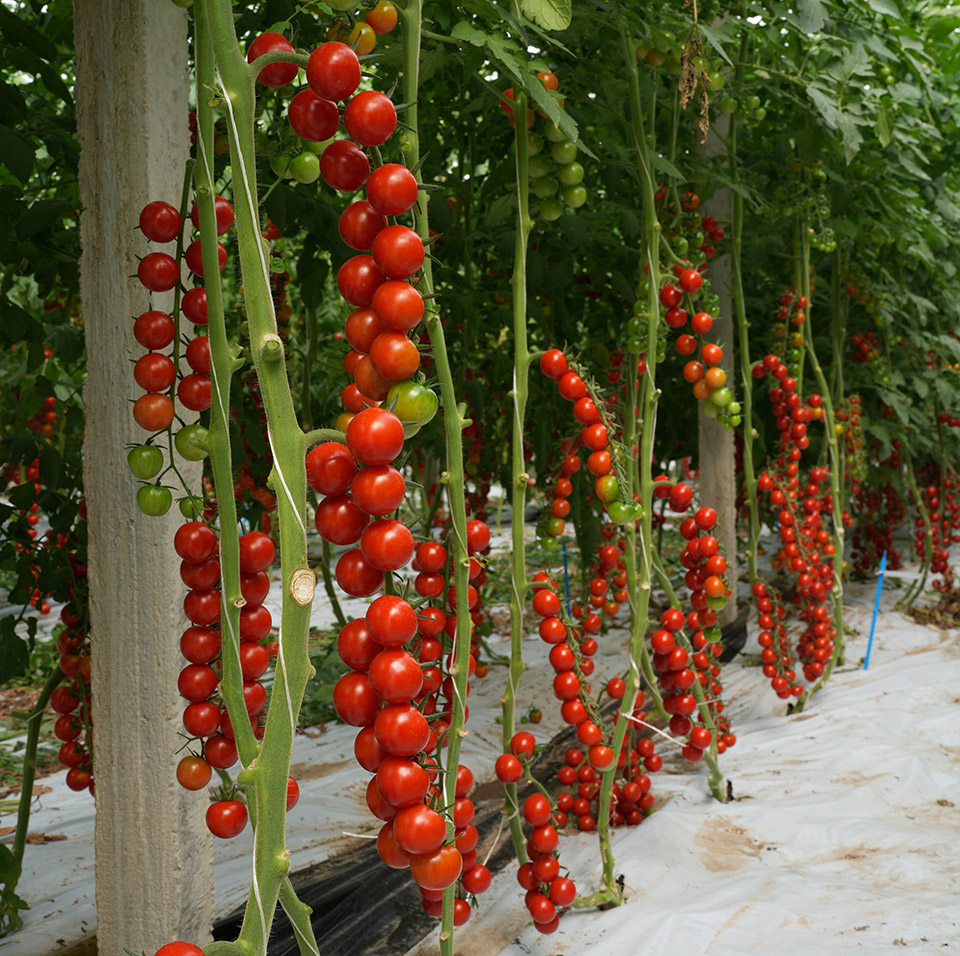
Tomato Brown Rugose Fruit Virus (ToBRFV) continues to challenge tomato production worldwide, threatening fruit quality, marketability, and grower confidence. When virus pressure increases, growers need more than resistance alone. They need varieties that help protect their investment without compromising performance. Our HREZ tomato varieties combine High Resistance to ToBRFV with the quality, yield potential, and reliability growers expect. By reducing production risk and helping maintain marketable fruit, they support more consistent results throughout the season.
Bremia resistance: protecting lettuce performance when disease pressure evolves
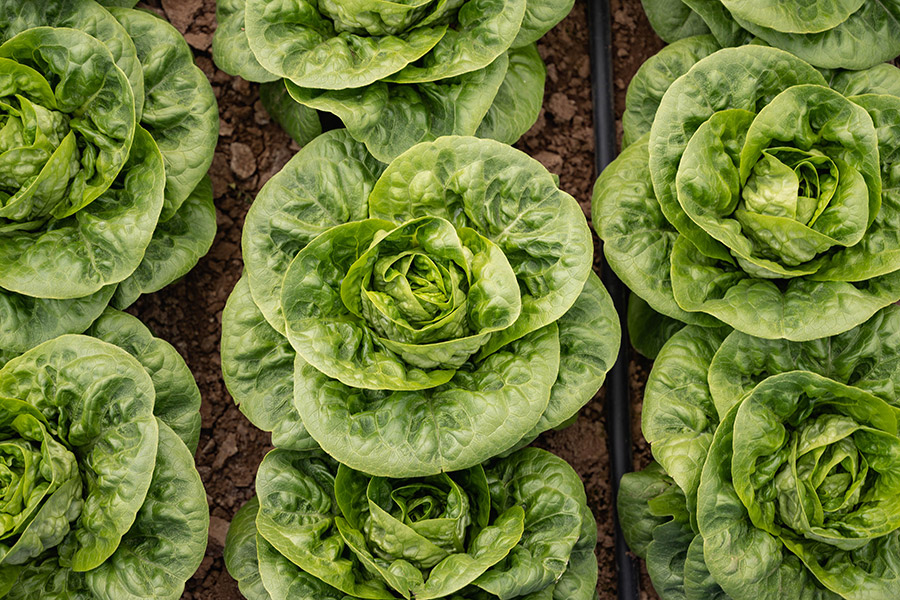
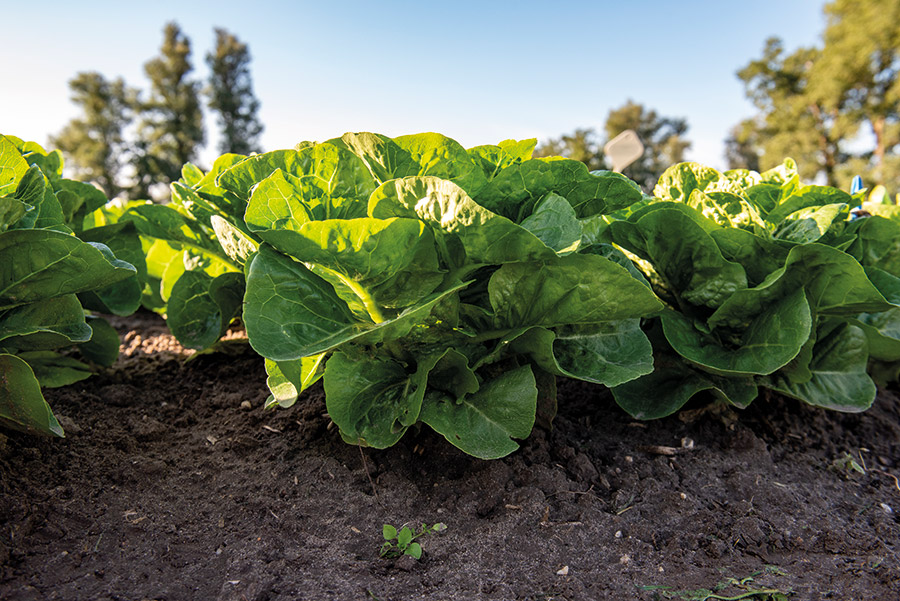
Bremia remains one of the most significant challenges in lettuce production. As new races emerge and disease pressure becomes increasingly unpredictable, growers need varieties that help safeguard both productivity and quality throughout the season. Our lettuce portfolio combines strong field performance, excellent post-harvest characteristics, and high resistance to Bremia.
Get rooted, protect your crop with HREZ rootstock!
With HREZ rootstock, you can ensure a healthier, more productive future for your tomato crops. HREZ rootstock (High resistance to ToBRFV) prevents the virus from spreading from the roots to the plant and decreases the overall virus pressure. This extra layer of defense, combined with HREZ varieties and effective phytosanitary measures, leads to fortified tomato plants.
Fusarium resistance: protecting lettuce production from the ground up
Fusarium wilt is one of the most challenging soil-borne diseases affecting lettuce production. Once established in the field, it can be difficult to manage, putting yield, quality, and profitability at risk. In severe cases, losses can be substantial, leaving growers with crops that are no longer marketable. Our Fusarium-resistant lettuce varieties help growers reduce this risk by providing an additional layer of protection where it matters most: at the root level.
Spinach resistance: performance you can rely on throughout the season
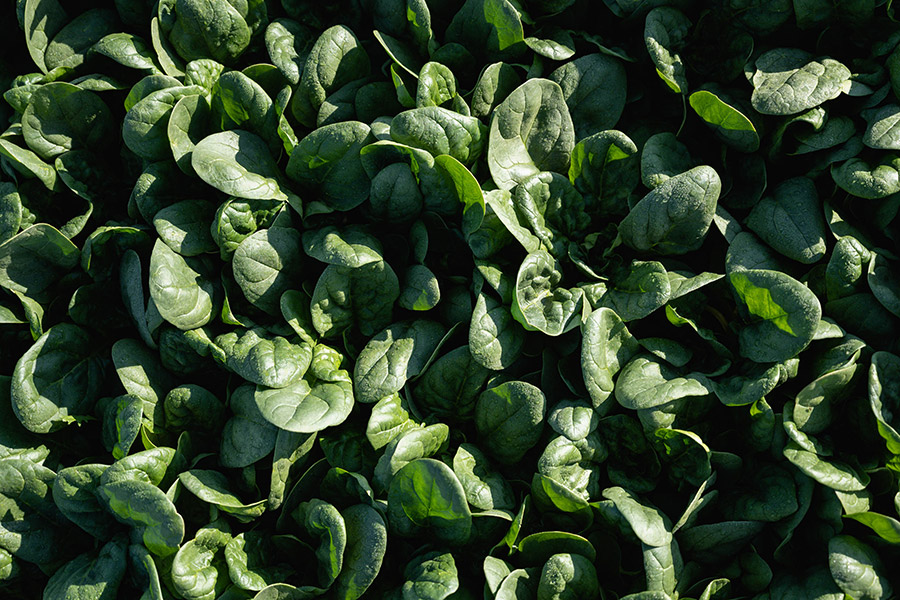
Diseases such as Stemphylium leaf spot (Stemphylium vesicarium) and downy mildew (Peronospora effusa) can quickly impact crop health, reduce marketable yield, and put profitability under pressure. Our spinach varieties are developed to help growers reduce disease pressure, lower reliance on chemical interventions, and maintain stable field performance even under challenging conditions. The result is greater production reliability, more consistent quality, and increased confidence from planting to harvest.
ToLCNDV and CGMMV: Protecting your crop from viruses
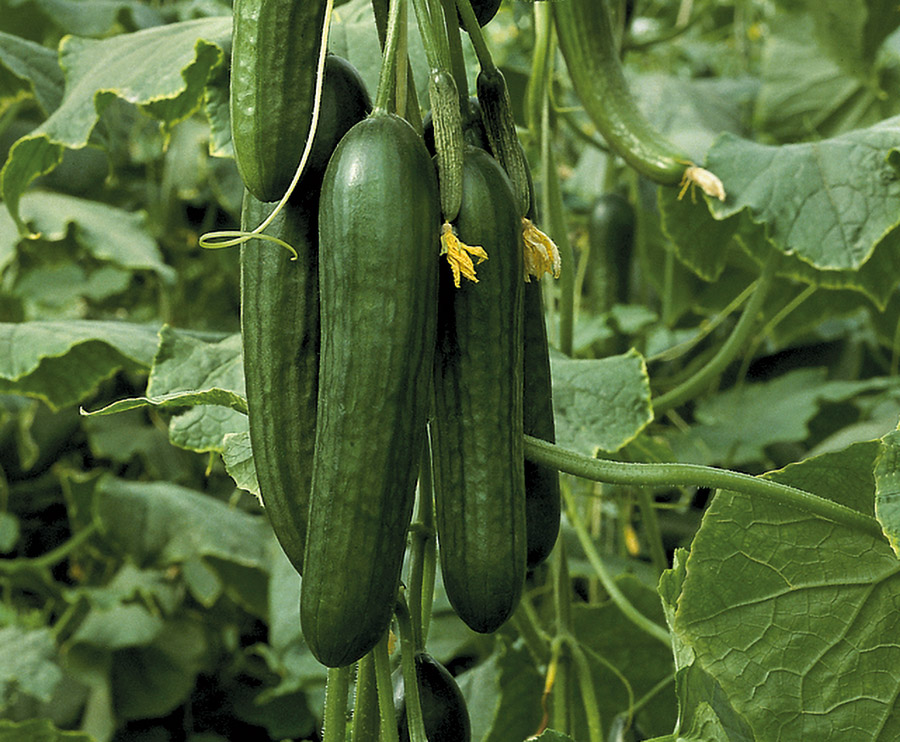
Viruses such as ToLCNDV and CGMMV can challenge crop health, quality and yield, making effective resistance an important part of reliable cucurbit production. Our resistant varieties help growers limit the impact of virus pressure while maintaining strong crop performance and quality. The result is greater production security, reduced risk and more confidence throughout the growing cycle.
It is easy to recognize our varieties with these resistances.
Look for these indicators.
Descriptions, recommendations and illustrations in brochures and leaflets shall correspond as closely as possible to tests and practical experience and are subject to typographical and/or printing errors. This information shall be provided to assist professional growers and users, whereby variable local conditions must be taken into account. Under no circumstances shall Enza Zaden accept liability based on such information for deviating results in the cultivated product. Current information concerning the resistances is available on www.enzazaden.com.