At Enza Zaden, staying close to growers means creating opportunities to listen, exchange knowledge and understand the realities they face every day.
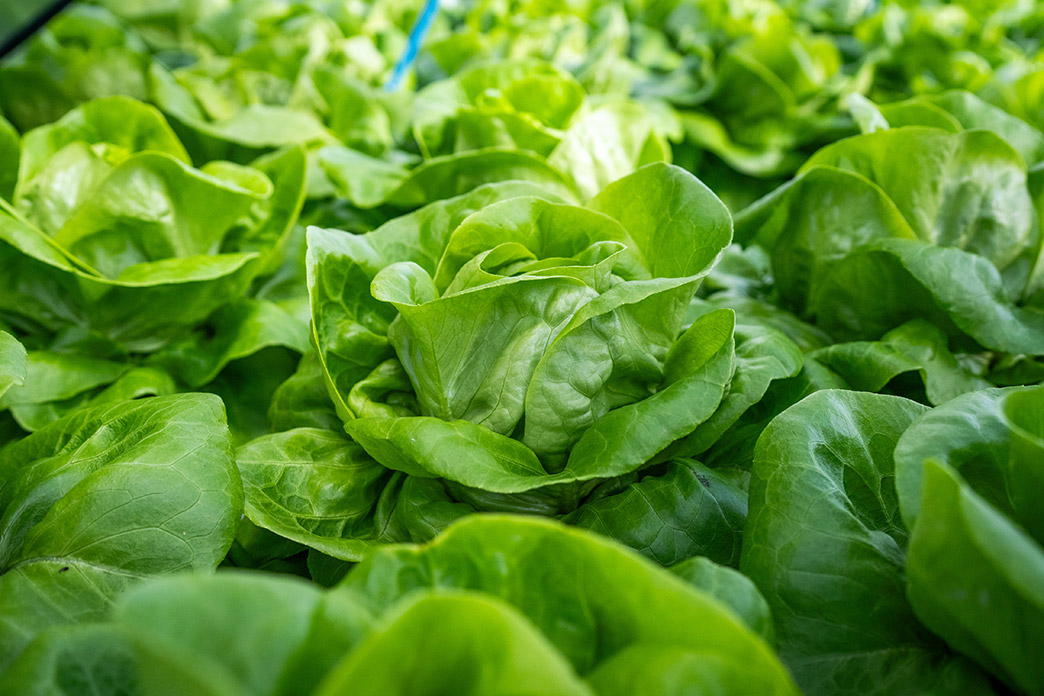
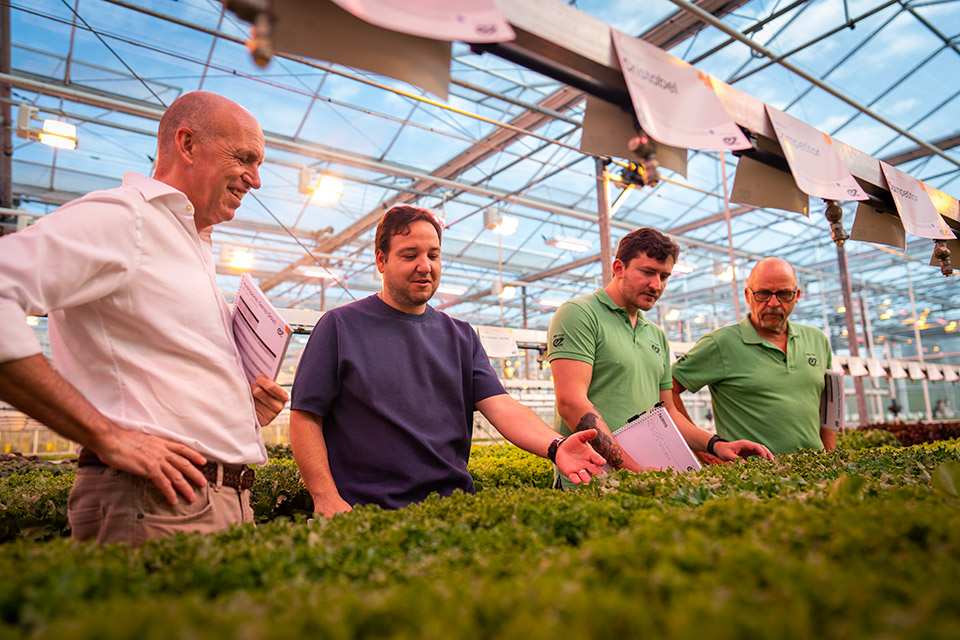
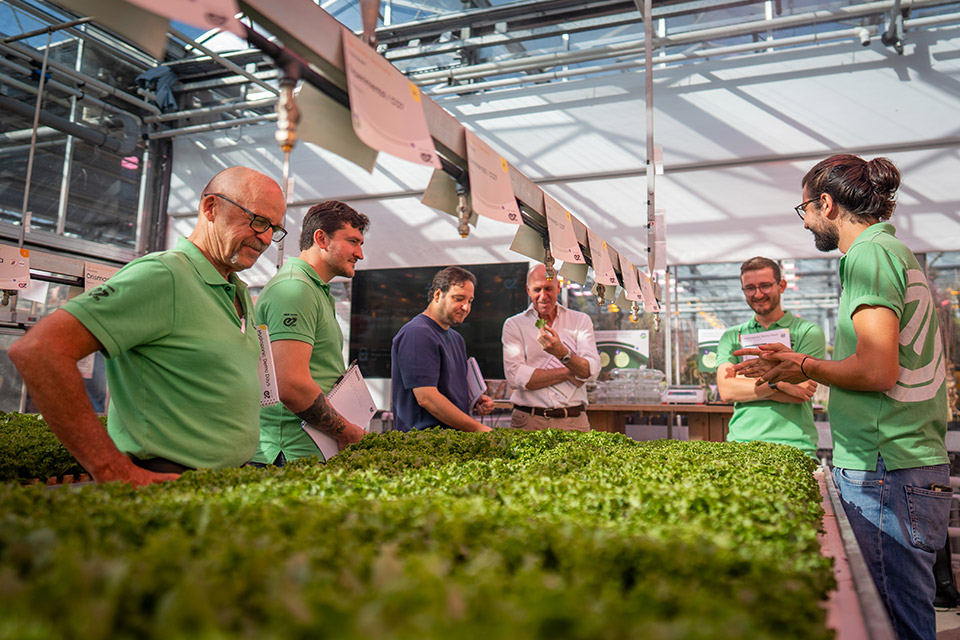
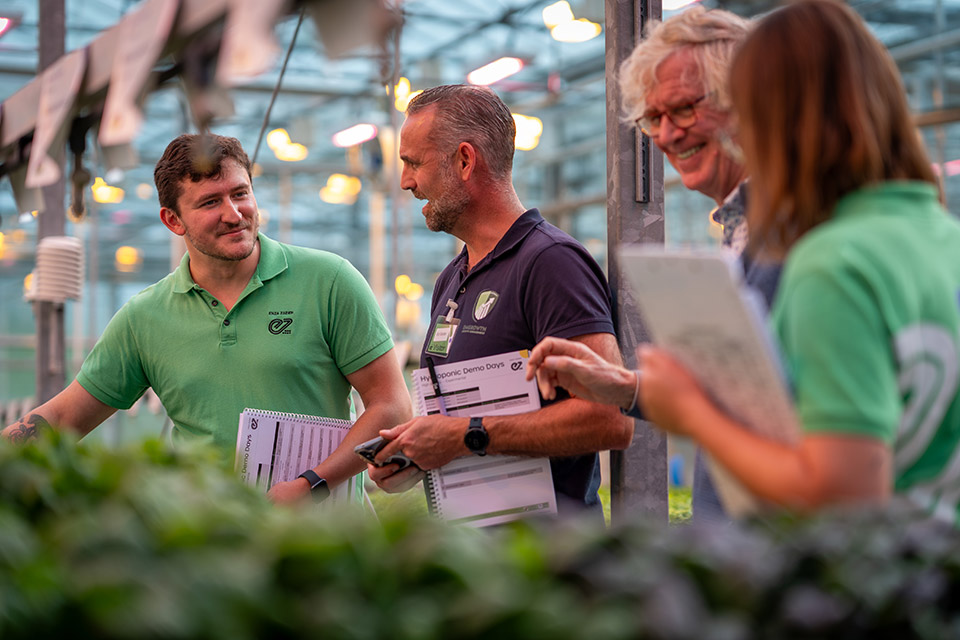
During Discovery Field Days Hydro/CEA, growers, industry experts, researchers, and our own specialists came together to share perspectives on hydroponic lettuce production. Through field observations and open conversations, different experiences and areas of expertise came together around the challenges and opportunities facing the industry.
Bringing different perspectives together
For Emmanouela Alexopoulou, Product Specialist, the event is about much more than showcasing varieties; it creates an opportunity for people with different perspectives to meet, compare experiences and learn from one another.
“Discovery Field Days Hydro/CEA provides a unique opportunity to bring together people from across the market. By combining field observations with customer and market feedback, we can better understand industry needs and keep our breeding efforts focused on relevant solutions."
Breeding for the future and learning from each other.
According to our breeder Jean-Baptiste Malblanc, successful breeding is a continuous process of learning and adaptation.
"A breeding program is not like a factory producing a fixed car model. It is more like taking care of a garden that we grow with passion. Every year we learn something new, introduce new plants, improve what needs improvement, and remove what no longer adds value."
That learning doesn't happen only inside a breeding program. Conversations with growers bring another perspective, helping breeders understand how varieties perform and what matters in commercial reality. Customer collaboration remains essential throughout that journey.
"Breeding is a long-term process that requires years of investment, testing, and decision-making. Fast feedback helps us validate our direction and avoid losing valuable time developing solutions that no longer fit market needs."
The pace of change within controlled environment agriculture (CEA) makes this feedback even more valuable. Production systems continue to evolve, new technologies are rapidly being adopted, and growing conditions are changing due to climate variability. To stay ahead, breeders and growers must work together to anticipate future needs.
From customer insight to variety development
Sometimes a simple observation can lead to a great change. Several years ago, some growers shared with Jean-Baptiste Malblanc that red lettuce needed strong red coloration on both sides of the leaf. The importance of that detail became particularly clear when looking at how the product appeared in a clamshell package.
"That feedback came right in the middle of the breeding process. We made sure to preserve that characteristic throughout the selection process, and it was incredibly rewarding to hear positive feedback about Mazired this year."
It is a simple example of why staying connected matters: what a breeder sees during selection and what a grower experiences in practice are different perspectives. Bringing those perspectives together can reveal things that might otherwise be missed. Stories like these demonstrate how collaboration helps transform observations into meaningful improvements that deliver value across the entire supply chain.
Different expertise, shared challenges
Other topics discussed during the event included root health and crop resilience.
For North American Product Developer John Gray, one of the challenges growers face is balancing productivity and quality throughout the year while managing production costs.
"One of the biggest challenges is maintaining consistent yield and quality while managing production costs. Especially during the summer, growers face environmental stress and root disease pressure that can impact both crop performance and profitability."
Addressing these challenges requires close collaboration, not only between seed companies and growers, but also between breeders, researchers, product specialists, and technical teams.
"We're able to react much more quickly when we work together. We gain a clearer understanding of what growers need, what is possible through breeding, and where we can create solutions that add value."
Hydroponic production will continue to change, and the questions growers face will change with it. Staying close means continuing the conversation beyond a single event: listening to experiences from different regions, sharing expertise and learning from what happens in practice.
These connections help create a fuller picture of the challenges and opportunities ahead.
Looking ahead, together
Emmanouela states:
"As the industry evolves, growers will increasingly look for solutions that provide consistency, resilience, and predictability throughout the cultivation cycle. Strong partnerships will be essential in helping us anticipate future needs and unlock new opportunities for growth."
As John Gray summarized:
"Collaboration is essential to progress. By sharing observations, challenges, and ideas, we can address today's needs together and develop better varieties for the future."
Across all interviews, one message remained consistent: innovation does not happen in isolation.
Discovery Field Days Hydro/CEA is one moment where these conversations come together. But the relationships extend beyond the event. Every exchange with a grower, researcher or industry partner gives us another perspective and another opportunity to learn.
For Enza Zaden, working shoulder to shoulder means bringing our knowledge to the table while remaining open to the knowledge and experience of others.
Because understanding the challenges ahead starts with listening to the people experiencing them today.
Descriptions, recommendations and illustrations in brochures and leaflets shall correspond as closely as possible to tests and practical experience and are subject to typographical and/or printing errors. This information shall be provided to assist professional growers and users, whereby variable local conditions must be taken into account. Under no circumstances shall Enza Zaden accept liability based on such information for deviating results in the cultivated product. Current information concerning the resistances is available on www.enzazaden.com.


 Back to overview