Taking shared responsibility for the organic market
Vitalis brings together organic breeding, practice and technology during Discovery Field Days
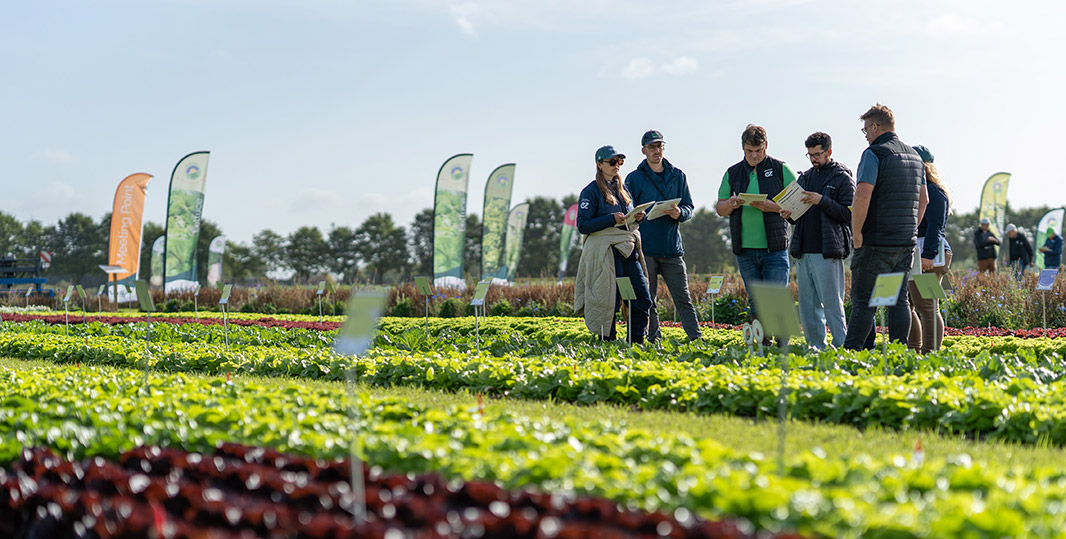
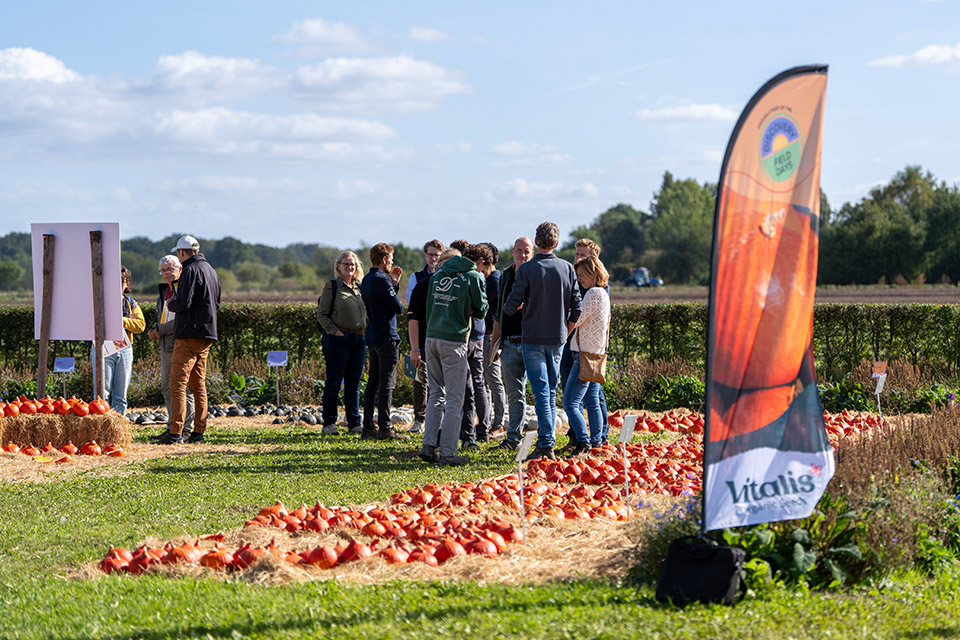
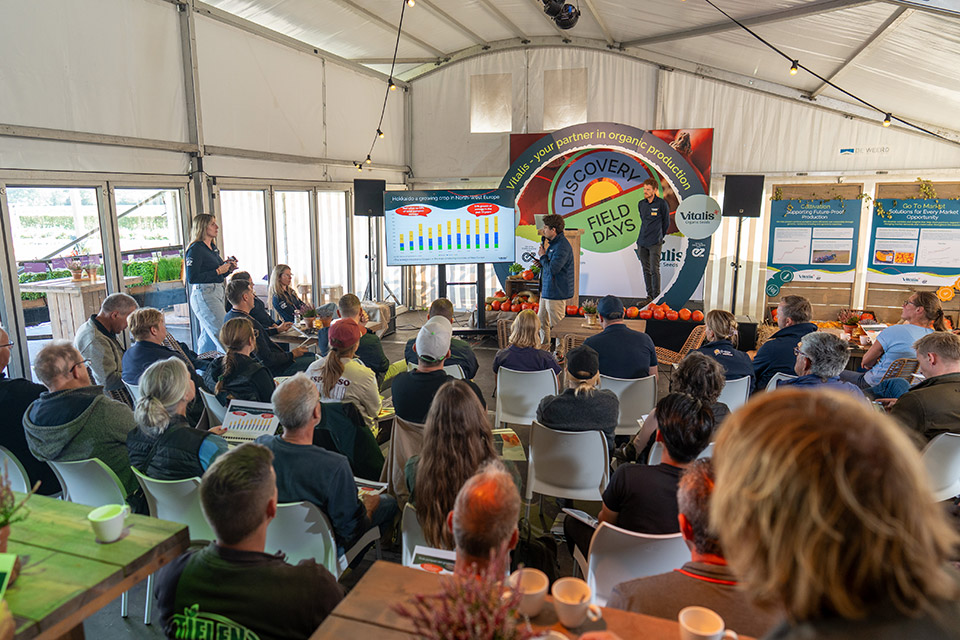
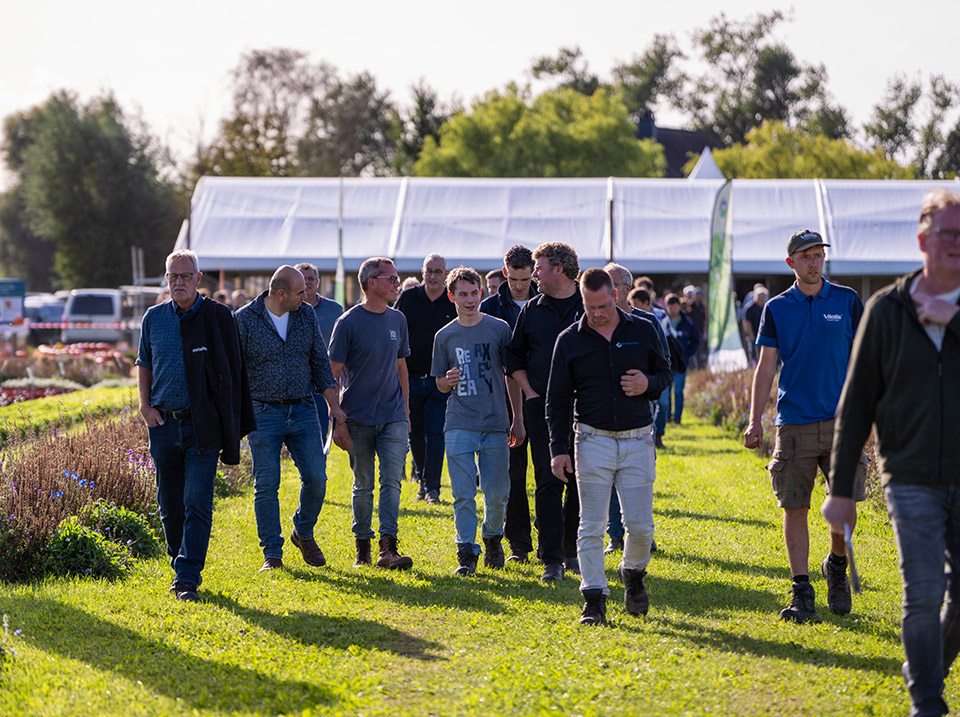
During the Vitalis Discovery Field Days in Voorst, we welcomed visitors from Germany, Scandinavia, Poland, France and the Netherlands. At our organic trial location, we shared the latest developments in organic breeding, resistance breeding, soil health, post-harvest performance and mechanization.
One message was at the heart of the event: taking shared responsibility for the organic market. By bringing together expertise from breeding, research, cultivation, technology and the market, we continue to support the development of a strong and sustainable organic vegetable sector.
More than 30 years of organic breeding
For more than 30 years, Vitalis Organic Seeds has been dedicated to organic breeding and seed production. At our location in Voorst, demonstration fields, breeding programs and screening trials are fully focused on supporting organic growers worldwide.
Our organic breeding activities are closely connected to the conventional breeding programs of Enza Zaden. By combining expertise from both production systems, we can develop varieties that meet the evolving needs of organic growers while benefiting from a broad range of breeding knowledge and experience.
Ambition: most complete organic portfolio
Our ambition is to offer growers the most complete organic portfolio possible. While organic seed production remains our preferred route, some varieties are particularly challenging to produce organically. In these cases, untreated conventional seed can be made available to ensure growers have access to the varieties they need.
Today, around 130 lettuce varieties are available organically, and we continue to invest in providing growers with a broad range of options across both major and smaller crop segments.
Resistance development as a key focus
Resistance breeding remains one of the cornerstones of our breeding programs. Within lettuce, we continue to focus on resistance against Nasonovia and Bremia, while further developments are underway in segments including little gem, iceberg and romaine lettuce.
Bringing together the value chain
At Vitalis Organic Seeds, breeding is about more than developing and introducing new varieties. Progress within organic agriculture depends on collaboration throughout the value chain. By bringing together growers, breeders, researchers and industry partners during the Discovery Field Days, we create opportunities to share knowledge, exchange experiences and strengthen the organic sector together.
Soil health foundation for organic
Soil health also plays a central role in our work. Around our trial fields, flower-rich field margins contribute to biodiversity, while recent collaborations with Wageningen University & Research have provided valuable insights into strip-cropping systems. Healthy soils remain the foundation for successful and resilient organic production.
Pumpkin 360°: From Seed to Plate
Pumpkin was once again a key focus of this year's program. During the session "Pumpkin 360°: From Seed to Plate", we explored the entire value chain, from breeding and cultivation to storage, processing and consumer preferences.
Our specialists shared insights into:
Market developments in Hokkaido pumpkins
Breeding objectives and resistance development
Harvest and post-harvest management
Storage performance and taste
Consumer behavior and preferences
Potyviruses resistance
The international Hokkaido pumpkin market is estimated to be approximately 65% organic. As a result, our breeding efforts focus on much more than yield alone. Marketable yield, resistance packages, fruit uniformity, storage potential and eating quality all contribute to the overall value of a variety.
One important area of focus is resistance to potyviruses. Because developing new resistant hybrids can take between five and ten years, we continuously monitor disease developments in regions such as Spain and Morocco. This allows us to anticipate future challenges that may later impact Northern European production areas.
Post-harvest quality and storage performance
Our evaluation process continues long after harvest. Within our post-harvest programs, varieties are assessed for storage performance, quality retention and taste.
Research with Hokkaido pumpkins has shown that harvest timing can have a significant impact on storage potential. Relatively small differences in harvest date may substantially affect shelf life and product quality during storage. By optimizing genetics, harvest strategies and post-harvest handling, we aim to maximize product performance throughout the supply chain.
Consumer panels are also an important part of our evaluation process, helping us better understand preferences related to sweetness, texture and overall eating quality.
Opportunities for further market growth
Consumer research conducted across four European countries highlights significant opportunities for further growth within the Hokkaido pumpkin category. Despite increasing market interest, many consumers remain unfamiliar with the product or do not regularly include it in their diets.
Seasonal consumption
Consumption is still highly seasonal, with Hokkaido pumpkins mainly consumed during autumn and winter. Soup remains the best-known application, indicating there is considerable potential to expand usage beyond traditional consumption moments.
Versatile ingredient
We see opportunities to position Hokkaido as a versatile ingredient throughout the year, including within convenience products and fresh-cut applications. By creating new consumption occasions, we can help further develop the category and attract new consumers.
Mechanization and genetics working hand in hand
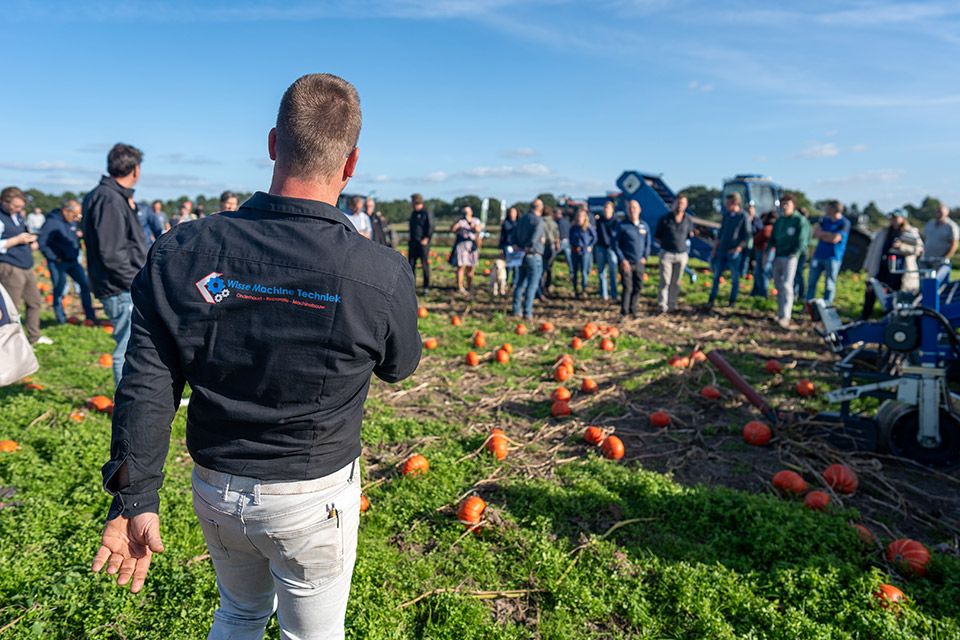
A highlight of the Discovery Field Days was the live demonstration of a mechanical pumpkin harvester in collaboration with Wisse Machine Techniek.
The demonstration showcased how technology can support more efficient harvesting while maintaining product quality. At the same time, it highlighted the growing importance of aligning breeding objectives with mechanization. Future varieties will need to meet the demands of growers, consumers and increasingly automated production systems.
The collaboration between breeding and machinery development demonstrated how innovation across different disciplines can accelerate progress throughout the value chain.
Working together on the future of organic agriculture
The Discovery Field Days demonstrated that organic breeding extends far beyond the development of new varieties. From soil health and resistance breeding to post-harvest performance, consumer insights and mechanization, every link in the chain contributes to long-term success.
By bringing together knowledge from breeding, research, cultivation, technology and the market, we continue to develop innovative solutions for organic growers around the world.
Taking shared responsibility for the organic market remains our priority.
Descriptions, recommendations and illustrations in brochures and leaflets shall correspond as closely as possible to tests and practical experience and are subject to typographical and/or printing errors. This information shall be provided to assist professional growers and users, whereby variable local conditions must be taken into account. Under no circumstances shall Enza Zaden accept liability based on such information for deviating results in the cultivated product. Current information concerning the resistances is available on www.enzazaden.com.

 Back to overview