Understanding pumpkins’ nutritional profile opens new market opportunities
Exploring pumpkin nutrition for market growth
At Enza Zaden, we continuously explore how genetic diversity and post-harvest practices can unlock added value for growers and the fresh produce chain. Our latest research shows that nutritional composition varies significantly between pumpkin varieties and can be further influenced by storage strategies, opening new market opportunities for growers, processors and retailers.
Pumpkin consumption has increased steadily due to its recognised value as a source of beta-carotene and dietary fibre, supporting its role in functional nutrition and as an alternative to simple carbohydrates. In parallel, pumpkin seeds are widely recommended by nutrition experts for their antioxidant and anti-inflammatory protein content, contributing to digestive and cardiovascular health, improved sleep quality and overall wellbeing. For growers, this growing interest highlights the importance of understanding varietal differences and aligning production with evolving consumer and market demands.
Our research, led by senior post-harvest scientist Anne Marie Schoevaars, confirms that differences between pumpkin types go far beyond external appearance. Pumpkin varieties differ strongly in nutrient availability and post-harvest behaviour, which directly affects quality, shelf life and commercial potential.
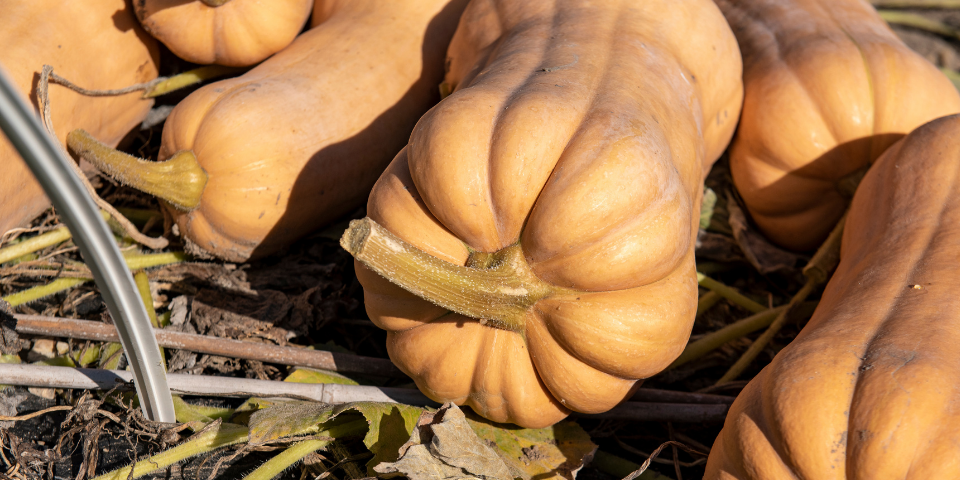
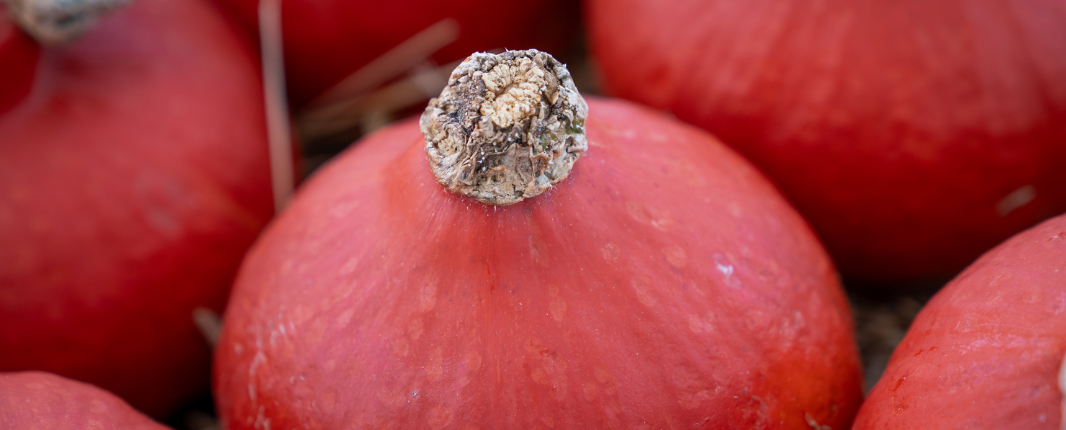
Macronutrient analysis of three pumpkin types shows that Red Pumpkin and Kabocha offer higher fibre and protein levels compared with Butternut. Kabocha also stands out for its higher total carbohydrate content and dry matter, while Butternut shows a higher concentration of sucrose. When looking at micronutrients, Kabocha leads in vitamin C and vitamin E levels, whereas Butternut is a particularly strong source of beta-carotene. These nutritional differences make each pumpkin type suitable for specific applications and consumer segments.
Post-harvest storage plays a decisive role in shaping the final nutritional profile. Our findings show that strategic storage for approximately three months increases protein and vitamin E levels across all pumpkin types. In selected varieties, sugar content and perceived sweetness can even double during this period. At the same time, storage management requires balance, as prolonged storage may lead to reduced levels of vitamin C and folate (vitamin B9).
Harvest maturity is another critical factor influencing pumpkin quality and market value. Our analyses show that varieties such as Butternut may display low sugar levels when harvested too early, negatively affecting flavour perception and commercial appeal. Pumpkin production therefore requires careful decision-making in the field, but when these nuances are well managed, growers can deliver superior taste, higher nutritional value and stronger profitability
For those who want to explore pumpkins in greater depth, visit Pumpkin Matters, our dedicated platform focused entirely on pumpkins. Through Pumpkin Matters, we aim to support pumpkin production and share interesting findings, growing insights, variety expertise and market trends that support informed decision-making across the entire pumpkin value chain. By combining breeding expertise with post-harvest knowledge and market understanding, Pumpkin Matters helps growers, processors and partners unlock the full potential of pumpkin production.
If you want to know more about pumpkins, visit our dedicated website: Pumpkin Matters.
Descriptions, recommendations and illustrations in brochures and leaflets shall correspond as closely as possible to tests and practical experience and are subject to typographical and/or printing errors. This information shall be provided to assist professional growers and users, whereby variable local conditions must be taken into account. Under no circumstances shall Enza Zaden accept liability based on such information for deviating results in the cultivated product. Current information concerning the resistances is available on www.enzazaden.com.


 Back to overview
.png)