Frédéric Péréfarres’ journey from research to real-world impact
From pioneering bitter gourd research in Southeast Asia to supporting global cucurbit breeding programs, Frédéric Péréfarres's journey demonstrates how innovation is built through curiosity, collaboration and continuous learning.
When people think about innovation in vegetable breeding, they often picture a breakthrough discovery or a new variety reaching the market. What they do not always see is the journey behind it: the years of research, testing and knowledge-building required to turn ideas into practical solutions.
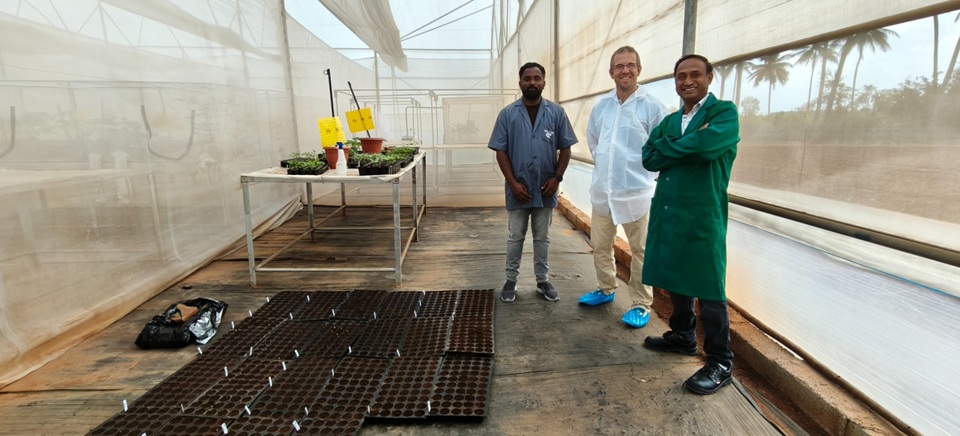
For Frédéric Péréfarres, innovation has never been about a single moment. During his 13 years at Enza Zaden, he has worked across different crops, markets and scientific challenges, always with the same goal: helping breeders develop stronger and more resilient varieties. Today, as part of the Biotechnology department, he supports breeding teams by developing screening protocols that allow researchers to accurately identify and characterize resistance sources against pests and diseases.
“What I enjoy most about my role is the combination of science and practical impact. Our work helps turn complex biological challenges into tangible solutions that support breeders, growers and the wider vegetable value chain.”
A journey across crops and continents
Frédéric's career began in tomato, where he was involved in the early stages of the ToBRFV resistance project that would later evolve into HREZ. Looking back, he describes it as a unique opportunity to contribute to a project that would have a significant impact on the industry.
In 2016, he relocated to Malaysia, stepping into a completely different environment. Moving from tomato to fruiting crops in Southeast Asia meant adapting to new production systems, customer needs and disease pressures. It was a challenging transition, but also one that broadened his perspective as a researcher.
Working across crops such as pepper, cucumber, pumpkin and bitter gourd exposed him to new pathogens and emerging challenges, creating constant opportunities to learn and innovate. Today, as Senior Researcher for cucurbits based in Spain, he supports breeding programs around the world, collaborating with teams from California to Malaysia and beyond,
Building knowledge where little existed
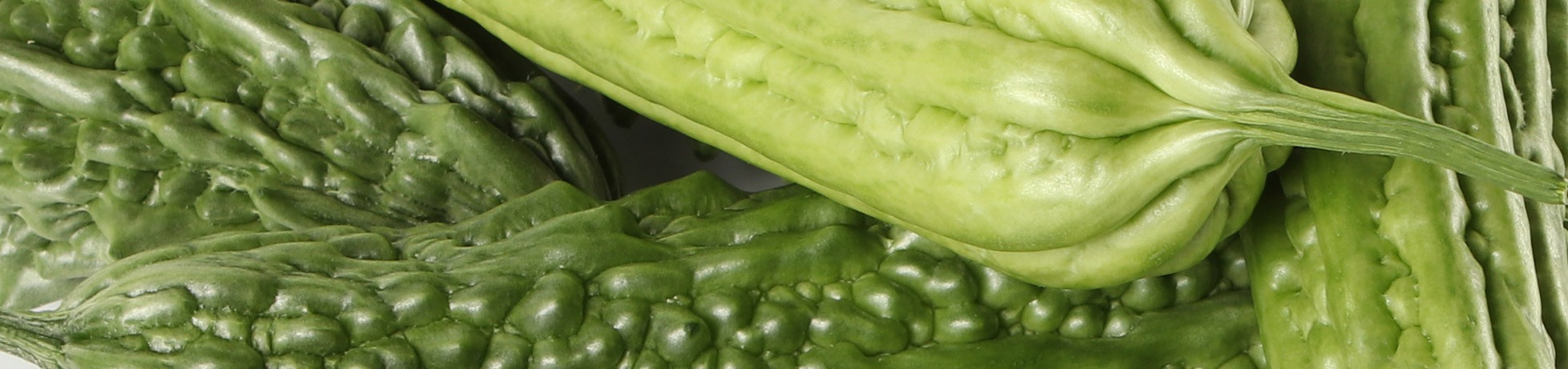
One of the most defining chapters of Frederic's career was his involvement in the bitter gourd breeding program in Southeast Asia.
While bitter gourd is a major crop in many Asian markets, it is often overlooked from a European perspective. When Frédéric joined the program, breeding activities had already moved from China to Malaysia, but there was still significant work to do to build the scientific foundations needed to support long-term progress.
From his phytopathology and biotechnology department, he helped establish new protocols, tools and methodologies to better understand the crop's unique disease pressures and support resistance breeding efforts. At the same time, the team began exploring Enza Zaden's bitter gourd germplasm collection to unlock new opportunities for variety development.
“We were not only improving varieties, but also building the knowledge, tools and processes needed to support the long-term growth of the bitter gourd segment”
Turning challenges into opportunities
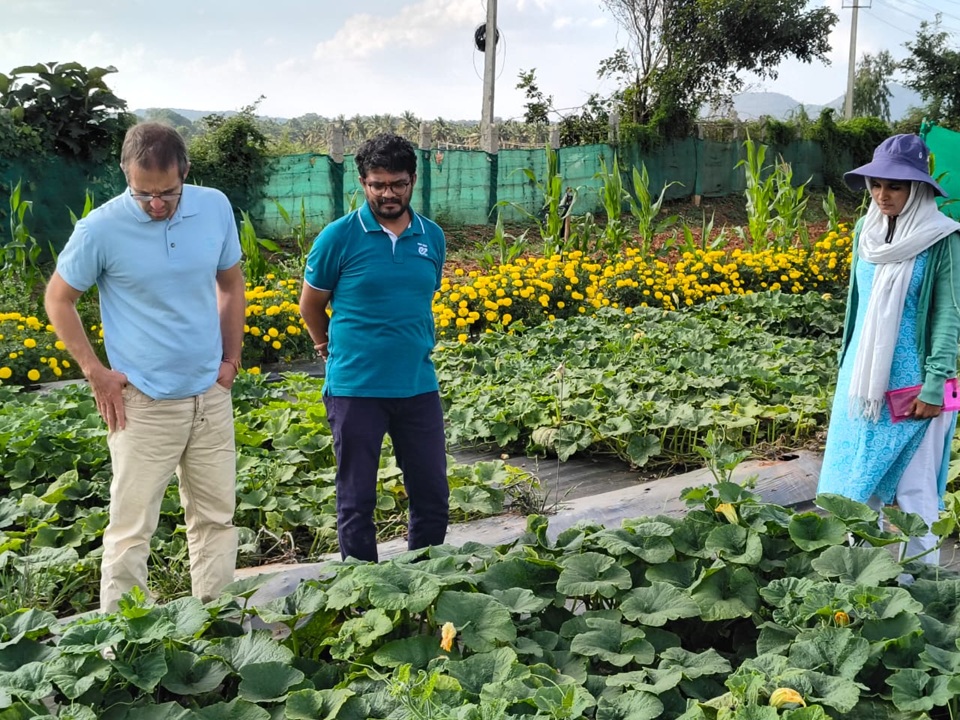
The work was far from straightforward. Unlike many major vegetable crops, bitter gourd had received relatively limited research attention, meaning much of the knowledge had to be developed from scratch. Understanding the real challenges growers faced in key markets such as Thailand and the Philippines required close interaction with local production systems and extensive field observations.
One of the biggest challenges involved understanding and managing virus pressure. While the team could build on existing experience from other crops, many of the diseases affecting bitter gourd required new approaches and validation under local conditions. This meant developing screening technologies in Malaysia while simultaneously evaluating their effectiveness in real-world field conditions across Southeast Asia.
“At the time, we had limited local trial infrastructure, so much of the work involved testing, learning and adapting as we went. It was a truly pioneering phase.”
Innovation as a mindset
Looking back on his career, Frédéric sees a common thread connecting every project, crop and region he has worked in: the willingness to explore the unknown.
Whether supporting resistance research in tomato, helping build a bitter gourd breeding program in Southeast Asia or collaborating with global cucurbit teams today, innovation has always been driven by curiosity, scientific expertise and teamwork.
“Innovation is rarely the result of a single breakthrough. More often, it is built through curiosity, collaboration and continuous learning.”
Frederic's journey illustrates that innovation is not defined by one discovery or one project. It is a continuous process of asking questions, building knowledge and finding new ways to solve growers' challenges. This mindset is deeply embedded in Enza Zaden's DNA. By combining scientific expertise, curiosity and collaboration, we continue to push the boundaries of vegetable breeding and develop solutions that help growers succeed today and in the future.
Descriptions, recommendations and illustrations in brochures and leaflets shall correspond as closely as possible to tests and practical experience and are subject to typographical and/or printing errors. This information shall be provided to assist professional growers and users, whereby variable local conditions must be taken into account. Under no circumstances shall Enza Zaden accept liability based on such information for deviating results in the cultivated product. Current information concerning the resistances is available on www.enzazaden.com.