How we developed 18 ToBRFV HR resistant tomato varieties in 7 years
World record speed
When Tomato Brown Rugose Fruit Virus (ToBRFV) began spreading through tomato growing regions worldwide, growers urgently needed a solution. At Enza Zaden, we responded by developing 18 high resistance tomato varieties from scratch in just seven years. Our team has now published the breeding methodology behind this achievement in the peer reviewed journal Breeding Science.
ToBRFV: A serious threat to tomato growers worldwide
Tomato crops around the world are vulnerable to viral diseases, but few have spread as rapidly as ToBRFV. First identified around 2015, the virus quickly reached major tomato producing regions and threatened grower incomes.
ToBRFV spreads through mechanical transmission, it is very persistant and can make entire harvests unmarketable. For many tomato growers this became an agronomic challenge and an economic emergency.
Our response: first high resistance varieties
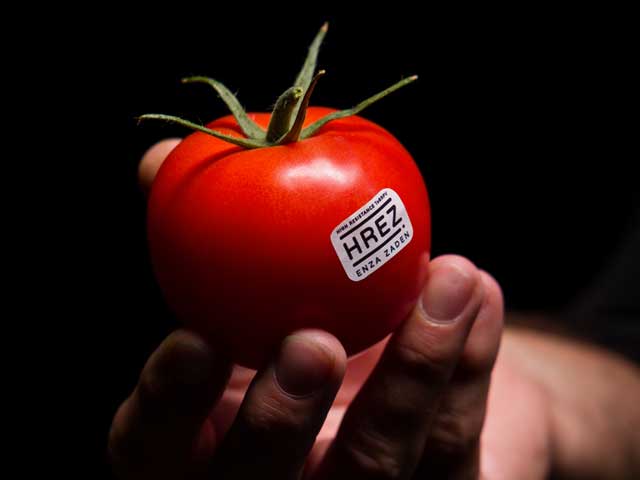
We became the first seed company to introduce tomato varieties with high resistance to ToBRFV. By combining plant breeding expertise, advanced molecular technologies, and a dedicated team effort, we developed 18 new varieties in a record breaking seven year timeframe.
The science behind the speed
The paper Walter and his colleagues recently published in Breeding Science describes the methodology behind this accelerated breeding program. The publication provides insight into the tools and methodologies used that made this progress possible.
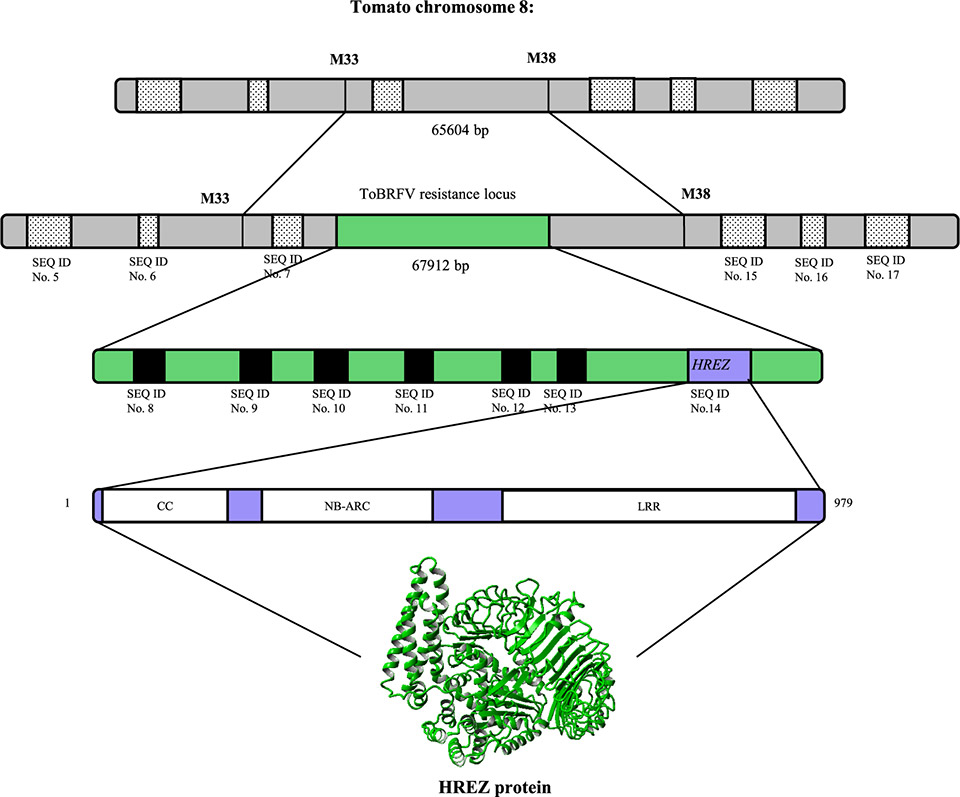
Modern breeding technologies such as marker assisted selection played an important role, allowing breeders to identify and select resistance traits with much greater precision and speed. The publication also describes why it is important to understand the working mechanism behind the resistance to anticipate on the dynamics in which this virus evolves.
Innovation that benefits tomato growers
For tomato growers this achievement provides practical protection. High resistance varieties allow production in areas where ToBRFV presents a serious risk, reducing the threat of crop losses.
The resistance mechanism works at the plant level by means of a very specific recognition system. Upon recognition, a local cell death mechanism is triggered which eradicates virus particles in the plant. It is the only active clean-up system at the plant level known to reduce the virus pressure. These insights directly support growers around the world.
Dedicated teamwork and craftsmanship
This milestone was made possible by the dedication of breeders, scientists, and seed production and sales specialists across Enza Zaden
Publishing this methodology is not only a scientific contribution. It also shows what can be achieved when expertise, collaboration, and focus come together to support tomato growers with the best possible solutions.
Read the full paper
You can read the full paper published by Walter and colleagues in Breeding Science to explore the science behind this breeding program.
Descriptions, recommendations and illustrations in brochures and leaflets shall correspond as closely as possible to tests and practical experience and are subject to typographical and/or printing errors. This information shall be provided to assist professional growers and users, whereby variable local conditions must be taken into account. Under no circumstances shall Enza Zaden accept liability based on such information for deviating results in the cultivated product. Current information concerning the resistances is available on www.enzazaden.com.


 Back to overview